
Beginner’s Guide to Decorating Your Home With Confidence
Decorating your home is a practical project, not an intimidating one. With a clear plan, a handful of reliable decisions, and a few well-chosen pieces, you can create a space that looks cohesive and feels like you.
This guide breaks the process into manageable steps, from defining style and budget to choosing key furniture and keeping your space functional. Follow these principles and you’ll make decisions with confidence rather than guesswork.
Start with a Clear Plan: Style, Use, and Priorities
Before buying anything, define how each room will be used, which moods you want to evoke, and which items are non-negotiable. Create a simple inspiration board (photos, fabric swatches, and color chips) and list your must-haves. Use that plan to filter purchases so your home moves toward a coherent look rather than a random collection of items. For browsing décor ideas and finishing touches, check collections under Home Decor.
Assess Your Space and Budget Accurately
Measure rooms, doorways, and ceiling heights and note any architectural quirks. Create a realistic budget broken into categories (big-ticket furniture, textiles, lighting, accessories). Measure again before committing to any piece so scale never surprises you. If you’re prioritizing larger pieces first, keep Furniture options in mind as anchors for room layouts and proportions.
Anchor Rooms with Key Pieces
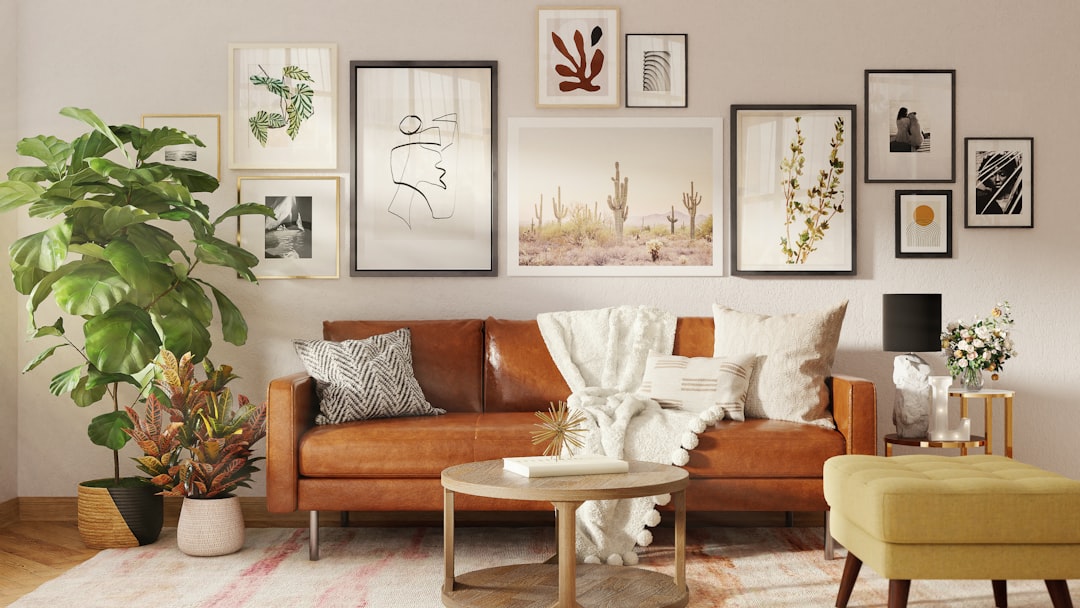
Every room works better when you choose one or two anchoring items and build around them. In living rooms, a sofa sets the tone; in bedrooms, the bed frame does. Pick durable, neutral anchors you love and layer more expressive accessories around them. Browse well-sized seating and foundational options in the Sofas & Sectionals category to find pieces that will stand up to daily use and multiple décor updates.
Layer Textures and Accessories for Depth
Once anchors are set, bring life to a room through texture: rugs, throws, pillows, and small accent pieces. Mix materials—wood, metal, woven fibers, and ceramics—to avoid a flat, one-note look. Accessorizing doesn’t require many items; a few thoughtfully chosen accents will play together better than lots of unrelated objects. For finishing touches that add personality and scale, explore Vases & Accent Pieces.
Choose Color, Art, and Lighting Strategically
Color and lighting define mood. Start with a neutral base and introduce color in layers—small textiles first, then larger elements if you want bolder color. Art and wall treatments should be at eye level and scaled to the furniture they sit above. Lighting needs three layers: ambient (overhead), task (reading/working), and accent (highlighting art or architectural features). For curated wall treatments and window options that help set tone and light control, see ideas under Wall & Window Decor.
Prioritize Storage and Function
Beautiful rooms are also practical. Choose furniture with built-in storage, use vertical shelving, and designate zones for daily routines. In kitchens and dining rooms, functional storage keeps surfaces clear and reduces visual clutter—making décor choices more effective. Smart organizers and cabinets can transform cramped areas into calm spaces; check Kitchen storage solutions for ideas that tame clutter while staying stylish.
Small Upgrades That Deliver Big Returns
Swap hardware, change light fixtures, add a quality rug, or replace dated window coverings—small upgrades can refresh a room without a large budget. Upgrading appliances or adding an efficient countertop item in kitchens can improve how you use the space and make styling easier; look at modern Appliances that blend function with clean lines to simplify both chores and styling.
Maintenance: Keep Your Space Looking Planned
Good design lasts when it’s maintained. Establish simple cleaning routines and invest in tools that make upkeep easy—regular care preserves fabrics and finishes and keeps décor looking intentional. For dependable cleaning gear that helps you maintain a tidy, styled home, explore Vacuum Cleaners & Accessories.
Quick Checklist Before You Buy
- Measure the space and doorways twice.
- Match scale: ensure new items relate to existing anchors.
- Buy neutral anchors and expressive accents.
- Prioritize function: storage and lighting first.
- Limit a pattern or bold color to 1–2 elements per room.
- Invest in maintenance tools to keep items looking new.
FAQ
- How do I find my decorating style?
Collect images you’re drawn to and identify common threads—colors, textures, and layouts. Narrow choices by how you live (kids, pets, work from home) and choose practical versions of the looks you like.
- Should I buy everything at once or slowly?
Start with anchors (seating, bed, dining table) and add accessories over time. Gradual additions keep your space cohesive and avoid buyer’s remorse.
- How can I make a small room feel larger?
Use light colors for walls, choose furniture with exposed legs, add mirrors, and limit clutter. Vertical storage and multi-functional pieces maximize perceived and real space.
- What’s the easiest way to update a room seasonally?
Switch textiles—throw pillows, blankets, and rugs—and rotate smaller accent pieces. These swaps refresh color and texture without big expense.
- How much should I spend on lighting?
Invest in quality task and ambient lighting; inexpensive accent lamps can add style. Good lighting improves both function and appearance, so prioritize fixture quality where you use the most light.
Conclusion
Decorating with confidence is about planning, prioritizing function, and choosing a few high-impact pieces to build around. Start with a clear plan, invest in durable anchors, layer thoughtfully, and maintain what you have. The result will be a home that looks intentional and works for your life.