RiderInstinct Editorial Team
Why motorcycle gloves should be a priority
Gloves are more than an accessory. They protect skin from sliding on pavement, absorb impacts to vulnerable bone and soft tissue in the hand, and keep you in control by maintaining warmth and grip. Riders who downgrade gloves in favor of style or price trade off functional safety and control.
Before choosing a glove, decide the primary risks you face: high-speed sport riding and track days demand maximum abrasion and impact protection; commuting in mixed weather prioritizes water resistance and dexterity for traffic; long-distance touring may require comfort and layered warmth. That decision framework—match the glove to the ride—is the single most useful lens for picking the right glove.
How gloves protect: the three protection modes
Think of glove protection in three modes:
- Abrasion resistance: Keeps skin from wearing away during a slide. Materials and construction, such as leather or reinforced textiles, are the primary defense.
- Impact protection: Hard or foam armor over knuckles, fingers and palms reduces peak forces in a strike or crush. Armor placement and attachment are as important as hardness.
- Thermal and weather protection: Insulation, liners and membranes protect against cold and wet conditions. Cold hands reduce control and reaction time, so warmth is safety-relevant.
No single glove optimally solves all three; trade-offs are inevitable. For example, a thick winter glove is warmer and often more protective against impact but reduces fine throttle and lever feel. Conversely, summer gloves give dexterity at the cost of protection against wind chill.
Types of motorcycle gloves and the riding they suit
Gloves are built to solve different problems. Here are common categories and when they make sense:
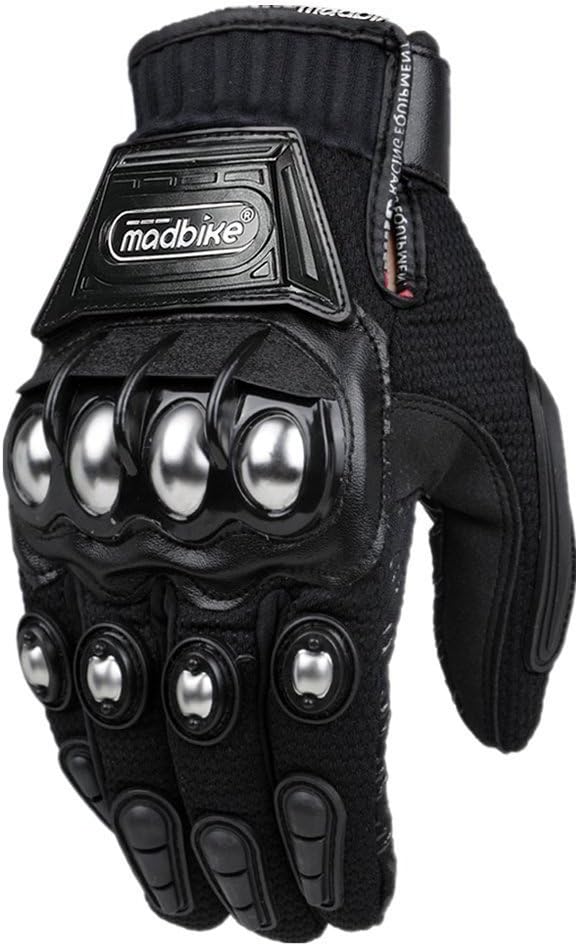
- Sport / track gloves: High abrasion resistance, hard knuckle protectors, hard palm sliders and short cuffs for lever feel. Choose these for aggressive street or track riding.
- Touring gloves: Designed for long hours, with comfort features, removable liners, and weather options. Good for multi-day or long-distance road use.
- Adventure / dual-sport gloves: Versatile: more flexible and ventilated than sport gloves but with robust palms and knuckle protection. Look for models that balance off-road debris protection with on-road feel.
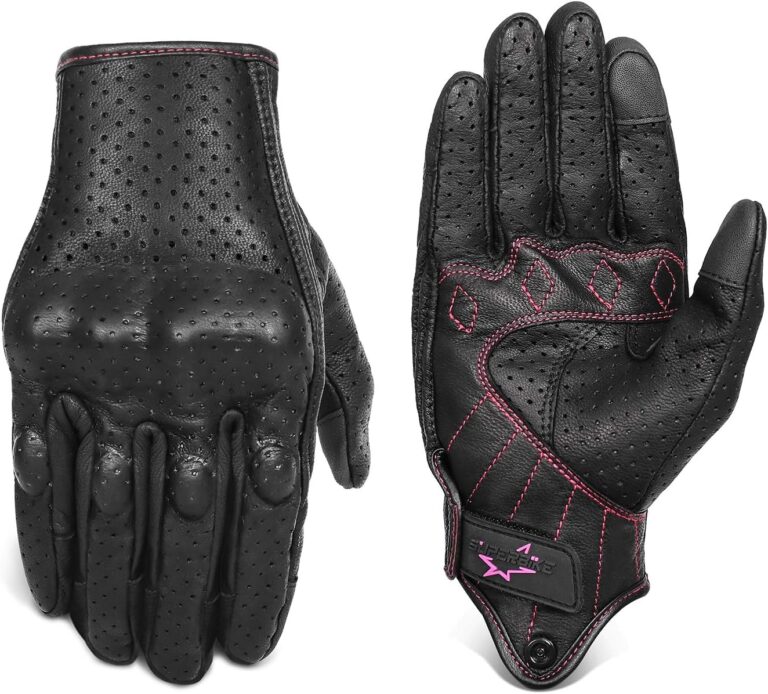
- Commuter / urban gloves: Focus on lightweight dexterity, touchscreen compatibility and moderate protection. Good for city riding where frequent clutch and phone interaction occur.
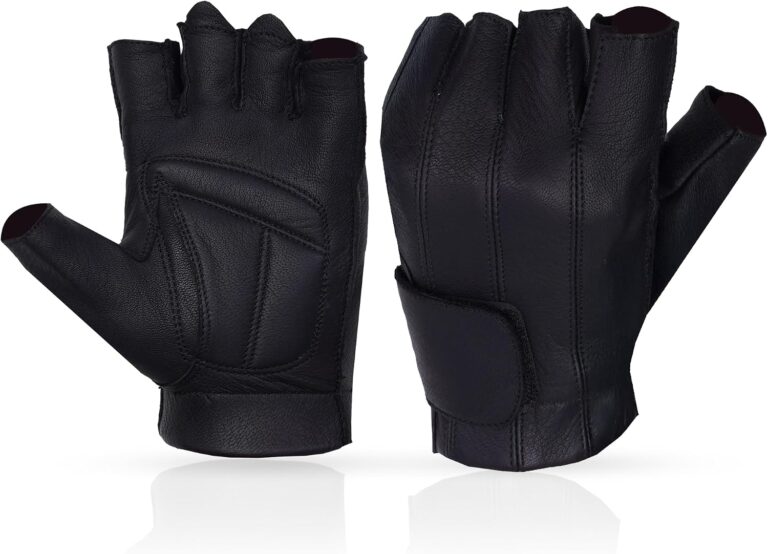
- Summer / mesh gloves: Maximum ventilation with lighter protection—best where heat is the main concern and speeds are moderate.
- Winter / insulated gloves: Thicker insulation, longer cuffs and often waterproof membranes to maintain warmth on long rides in cold climates.
- Short-cuff vs gauntlet: Short cuffs are convenient and provide more wrist mobility; gauntlets extend over the jacket sleeve for better coverage and rain protection, preferred for touring and adventure rides.
For a broad primer that expands on these categories, see our “Gloves Buying Guide for Beginners” and “The Complete Gloves Guide for Motorcycle Riders” for deeper reading.
Materials and construction: leather, textile and hybrid choices
Material choice affects abrasion performance, breathability and weather resistance.
- Leather: Often goat or cowhide for motorcycle gloves; leather provides excellent abrasion resistance and conforms to the hand over time. Aniline or oil-treated leather gives different feel and water response—check the manufacturer’s recommendations for cleaning and care.
- Textile: Nylon and synthetic textiles usually perform well with waterproof membranes and ventilation panels. Textile gloves can be lighter and more modular (removable liners, vent flaps).
- Synthetic reinforcements: Clarino, Kevlar stitching, and double-layer palms improve wear life without greatly increasing bulk.
- Hybrid constructions: Many gloves mix leather palm for abrasion resistance with textile backs for ventilation.
Construction details matter: palm reinforcements, seam placement (seams should not be positioned where you would instinctively land on them in a crash), pre-curved fingers to reduce fatigue and internal liners to carry insulation or waterproof membranes are all design choices that influence durability and comfort.
Protection features and certifications — what to look for
Certifications can help you compare gloves but read the label and manufacturer data rather than relying solely on a badge. Common markings include CE and EN standards for protective gloves. These standards describe testing for abrasion, cut resistance and impact protection.
Typical protection features and what they do:
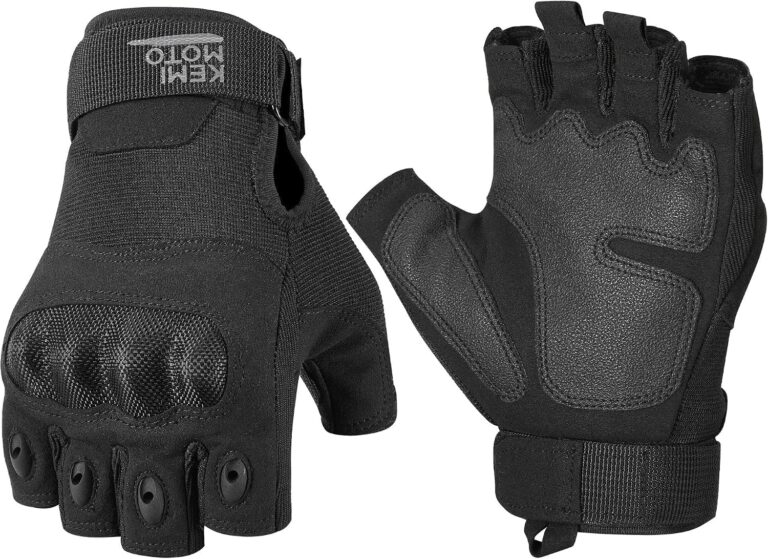
- Hard knuckle protectors: Shells that spread and reduce impact energy across the knuckle area.
- Palm sliders: Replaceable hard or low-friction sliders on the palm to help control how a hand slides on pavement and reduce catching.
- Foam/gel padding: Used on palms and fingers to cushion impacts and vibrations.
- Double-layer palms and pegged seams: Reduce seam failure in abrasion; pegged seams are riveted reinforcements in critical wear zones.
Actionable step: If certification is important to you, check for the specific standard (for example EN 13594 for motorcycle gloves) and any stated level or test reports on the manufacturer’s website. Certification indicates a controlled test environment performance, not absolute real-world results—validate features and fit for your use case.
Fit and sizing: the most critical selection factor
Fit is the single most important element for comfort and safety. A glove that doesn’t fit correctly compromises grip and can bunch on impact. Follow these practical steps when trying gloves:
- Measure your hand: Use a soft tape to measure around the knuckles (excluding thumb) and compare to the brand’s size chart. Different brands cut differently—size charts are a starting point.
- Try with jacket sleeves and levers: Wear the same jacket you’ll ride in and mimic grabbing the bars and operating the clutch/brake for a realistic feel.
- Check finger length and pre-curve: Fingers should reach the end of the glove without excess room. A pre-curved cut reduces fatigue and improves feel.
- Test dexterity: With gloves on, operate small controls: blinkers, phone buttons, and mirror adjustments if possible. Ensure you can apply smooth clutch modulation and throttle control.
- Comfort vs tightness: Gloves will usually break in slightly, especially leather. Slight initial tightness across the palm is normal, but avoid tightness that restricts circulation or causes numbness.
If you’re buying online, buy from retailers with a good returns policy or order two sizes to find the right fit; keeping the unharmed pair boxed and unused can make returns easier.
Practical features and trade-offs: choose what matters to you
Manufacturers layer features into gloves—each introduces trade-offs. Here are common choices and how to weigh them:
- Waterproof membranes (Gore-Tex and others): Keep hands dry but can reduce breathability. For wet-climate commuters, membranes keep hands usable; for hot-weather riders, they may cause sweaty hands.
- Insulation: Necessary for winter riding but adds bulk. Consider glove liners for modular warmth that can be removed when not needed.
- Touchscreen compatibility: Useful for modern devices, but technology on the fingertip can wear and may compromise leather coverage—decide if you need it daily.
- Heated glove compatibility: Electric heated gloves or liners add warmth for cold-weather riders but require wiring or battery systems; ensure compatibility with heated grips if that’s part of your setup.
- Ventilation: Mesh or vented panels increase airflow but reduce water protection; pick vented gloves for hot environments and waterproof styles for rainy climates.
Practical rider example: A year-round commuter in a temperate, rainy region benefits from waterproof touring gloves with removable liners and moderate armor. A summer sport rider will choose leather sport gloves with hard knuckles and palm sliders even if they lack waterproofing.
Care, storage and when to replace gloves
Proper care extends glove life and ensures protection remains effective:
- Cleaning: Follow manufacturer instructions. Leather generally needs a gentle leather cleaner and conditioner; textile gloves often tolerate hand washing with mild soap on the exterior but check for removable liners and membranes first.
- Drying: Air-dry naturally away from direct heat or sun. Heat sources can harden leather and damage membranes.
- Waterproof membrane care: DWR finishes wear over time. Follow the manufacturer for reproofing if applicable; avoid repeated machine washing that strips coatings.
- Storage: Store gloves flat or loosely rolled in a dry place. Avoid compressing armor sections for long periods.
- Replacement: Replace gloves immediately after any crash where the material contacted the ground, even if damage looks superficial. Replace gloves when leather is worn through, seams rip, sliders are abraded to the attachment point, or armor is cracked or loose. Routine replacement intervals depend on use and care—inspect gloves regularly and use visible damage as the primary signal to replace.
When in doubt, err on the side of replacement. Protective materials are not designed to withstand multiple crashes or years of omission; protecting your hands is inexpensive compared with the cost of an injury or lost function.
Buying strategy and the in-store test ride
Shopping for gloves is about realistic testing, not just feature lists. Use this simple buying strategy:
- Identify the primary use: Commuting, sport, touring, adventure—this narrows styles quickly.
- Set non-negotiables: For example: must be waterproof; must have hard knuckles; must be touchscreen compatible.
- Try on multiple brands and sizes: Different makers cut hands differently—try at least three models in your target category.
- Simulate riding actions: Grip a bar or use a brake lever; feel for pinch points and check finger mobility.
- Inspect construction: Look for double-stitched seams in wear areas, pegged palm seams, and removable/replaceable sliders if present.
- Check warranty and replacement parts: Some brands offer replacement sliders or armor—ask the retailer.
Link to deeper beginner guidance: our “Gloves Buying Guide for Beginners” contains a focused checklist for first-time buyers and common sizing tips. For broader context on glove categories and care, see “The Complete Gloves Guide for Motorcycle Riders.”