
How to Decorate Your Home With Neutral Colors and Natural Textures
Neutral colors and natural textures create spaces that feel calm, cohesive, and timeless. When approached intentionally, a neutral palette can still be layered and interesting — not flat or boring — by combining warm and cool neutrals, varied materials, and purposeful accents.
Below are practical strategies for building a serene, textural home that works for daily life. These tips focus on color choices, furniture selection, fabrics, greenery, and styling techniques to help you achieve a balanced space that feels lived-in and refined. For inspiration when shopping or browsing, check curated Home Decor options that pair well with neutral schemes.
1. Choose a cohesive neutral palette
Start with two to three base neutrals: a wall color, a trim/ceiling color, and a grounding tone for floors or large furniture. Popular combinations include warm beige walls with cool gray accents, or soft greige walls with off-white trim. Choose tones with similar undertones — warm or cool — to avoid visual clash.
Use the walls and windows as the largest canvas to set tone. If you plan larger decorative projects like curtains, art groupings, or gallery walls, browse Wall & Window Decor that complements your chosen neutrals rather than competing with them.
2. Layer natural textures for depth
Instead of relying on color contrast, create interest through texture. Combine matte plaster walls, linen curtains, woven rugs, jute or sisal floor coverings, wood furniture, and metal accents. Textural layering reads as intentional design even when the palette is limited.
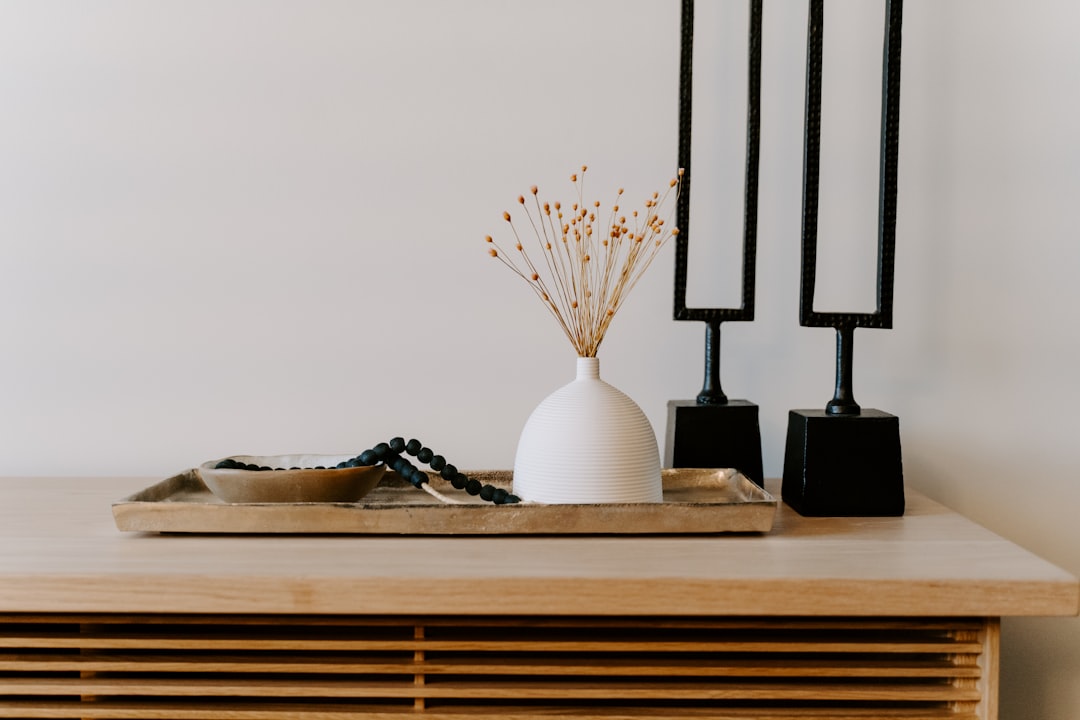
Small sculptural objects and organic vessels are easy texture boosters. Add ceramic or metal bud vases, woven baskets, or stone bowls on consoles and shelves to break up flat planes — shop tasteful Vases & Accent Pieces that enhance tactile variety.
3. Furnish with simple, quality pieces
When colors are neutral, furniture shapes and materials become focal. Prioritize pieces with good proportions and neutral upholstery so the forms read clearly. For living rooms, a streamlined sectional or sofa in a durable neutral fabric anchors the space and allows texture from pillows and throws to shine. Consider neutral-ready options from the Sofas & Sectionals selection for lasting foundations.
4. Add seating accents to layer scale
Mix a larger sofa with smaller scale seating to create balance and gathering zones. Accent chairs with complementary textures — velvet, leather, boucle, or woven rattan — introduce personality without overwhelming a neutral scheme. Choose a comfortable accent that reads like an intentional nod rather than a bright statement piece; explore practical choices in Accent Chairs & Ottomans.
5. Select textiles that contribute warmth and tactility
Textiles are the easiest way to update a neutral room seasonally. Use layered rugs (flatweave under a plush top rug), linen or cotton curtains, and throw blankets in natural fibers. Mix weaves — a chunky knit throw, a smooth linen cushion, a cotton-woven coaster — to keep the eye moving.
For throw pillows that add pattern and subtle contrast while staying within a neutral scheme, choose quality covers in natural fabrics and muted motifs. A reliable choice is the EcoLily decorative throw pillow covers, which work well layered on sofas and chairs.
6. Bring in greenery and organic forms
Plants and organic shapes break up neutral monotony while reinforcing a natural, relaxed vibe. Use a mix of living plants and realistic faux options for low-maintenance styling. Tall options anchor corners; small potted plants soften tabletops.
If you want a full-height plant that looks consistent year-round, consider statement faux trees like the Artificial Olive Tree — 6FT Tall, which brings organic form without seasonal upkeep. Pair plants with simple planters and accent with decorative vases or woven baskets for a cohesive display.
7. Use functional storage and styling to maintain simplicity
Neutral rooms feel calm when clutter is minimized. Favor closed storage for everyday items and open shelving for curated displays. Narrow bookcases or multi-shelf units are ideal for styling books, baskets, and a few meaningful objects while keeping surfaces tidy.
A practical, tall shelf unit such as the LINSY HOME 5-Shelf Bookcase works in tight spaces and supports neutral styling by providing structured storage and display zones.
8. Edit with lighting, art, and reflective accents
Lighting changes perception of neutral colors. Layer ambient, task, and accent lighting with dimmers where possible. Warm bulbs soften beiges; cooler bulbs make grays feel crisper. Use matte and reflective surfaces strategically — a brass lamp, a low-sheen ceramic table, or a framed mirror — to add visual contrast without introducing competing colors.
Quick checklist
- Pick 2–3 base neutrals with consistent undertones.
- Anchor the room with a durable neutral sofa or sectional.
- Layer 3–5 textures (wood, metal, fiber, ceramic, greenery).
- Use closed storage to reduce visible clutter.
- Add 2–3 natural accents (vase, basket, plant) grouped for impact.
- Balance scale: large anchor pieces + smaller accent furniture.
FAQ
- Q: Will a neutral palette make my room look boring?
A: Not if you layer textures, shapes, and finishes. Neutrals focus attention on material quality and form, which can be more interesting than color alone. - Q: How do I prevent neutrals from feeling cold?
A: Introduce warm woods, soft textiles, warm lighting, and a mix of matte and tactile surfaces to add warmth. - Q: Can I mix warm and cool neutrals?
A: Yes, but keep them balanced by choosing one as dominant and the other as accent. Ensure undertones are compatible or bridged with a middle-tone element. - Q: Are faux plants acceptable in a neutral scheme?
A: Yes — high-quality faux plants or trees can provide consistent color and form. Place them in ceramic or woven planters to maintain a natural look. - Q: How often should I update accessories to keep the space fresh?
A: Rotate smaller items seasonally or every few months. Swap pillows, throws, or a few tabletop accents to refresh the room without a full redesign.
Conclusion
Neutral colors paired with natural textures create spaces that feel peaceful and intentional. Start with a clear palette, invest in a few well-proportioned furniture pieces, and layer fabrics, plants, and tactile accents. Keep styling simple, prioritize storage, and edit regularly — small, thoughtful changes will keep a neutral home feeling warm and lived-in.
Products Featured in This Article

Artificial Olive Tree – 6FT T…
✅ Natural Elegance: Our lifelike Cozy Flora 6FT Artificial Olive Tree, an indoor decor masterpiece, boasts…

LINSY HOME 5-Shelf Bookcase, Narrow…
Make sure this fits by entering your model number. ADJUSTABLE SHELF DESIGN: With three adjustable shelves…

EcoLily Decorative Throw Pillow Cov…
Make sure this fits by entering your model number. Fabric Type: Premium Soft 100% Cotton IT…