RiderInstinct Editorial Team
Why the jacket matters: a practical decision framework
A motorcycle jacket isn’t a fashion accessory—it’s a piece of safety equipment, a comfort system and a weather shield. When choosing a jacket you’re balancing three core priorities: protection, comfort (movement and climate control), and durability/maintenance. Which you prioritize depends on where and how you ride.
Start by asking simple questions: What kind of riding do I do (commute, sport, touring, off-road)? What weather do I ride in most often? Do I need a jacket that doubles as a casual piece off the bike? How much bulk can I tolerate under layers? Answering these helps you choose the trade-offs—e.g., a heavy leather jacket often offers excellent abrasion resistance but may be hotter and less packable than a modern textile jacket with a waterproof liner.
Before shopping, set minimum non-negotiables: a jacket that allows full steering and torso movement, closure systems that stay secure in a fall, and impact protection where it counts (shoulder, elbow, back). For specifics like armor standards and waterproof ratings, verify with the jacket maker or consult the label—do not assume uniform standards across brands.
Materials and construction: leather, textile, mesh and hybrids
Jackets are principally made from three material classes: leather, textile (synthetic woven fabrics), and mesh or ventilated textiles. Each has strengths and limitations; understanding them helps you match a jacket to your climate and ride style.
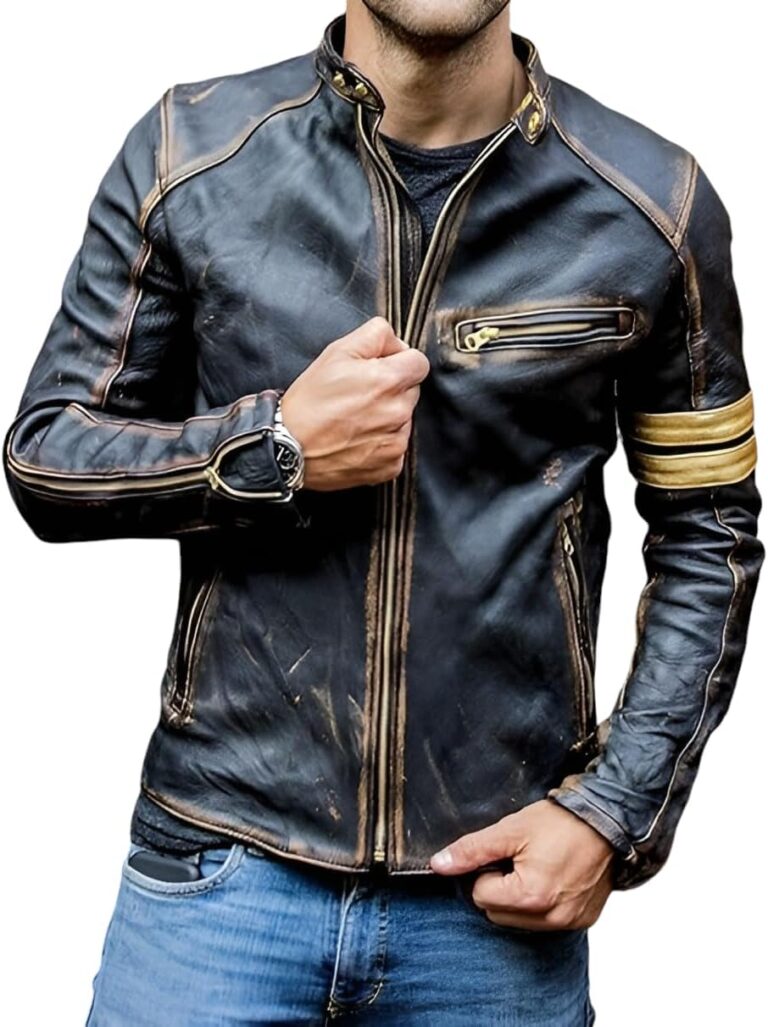
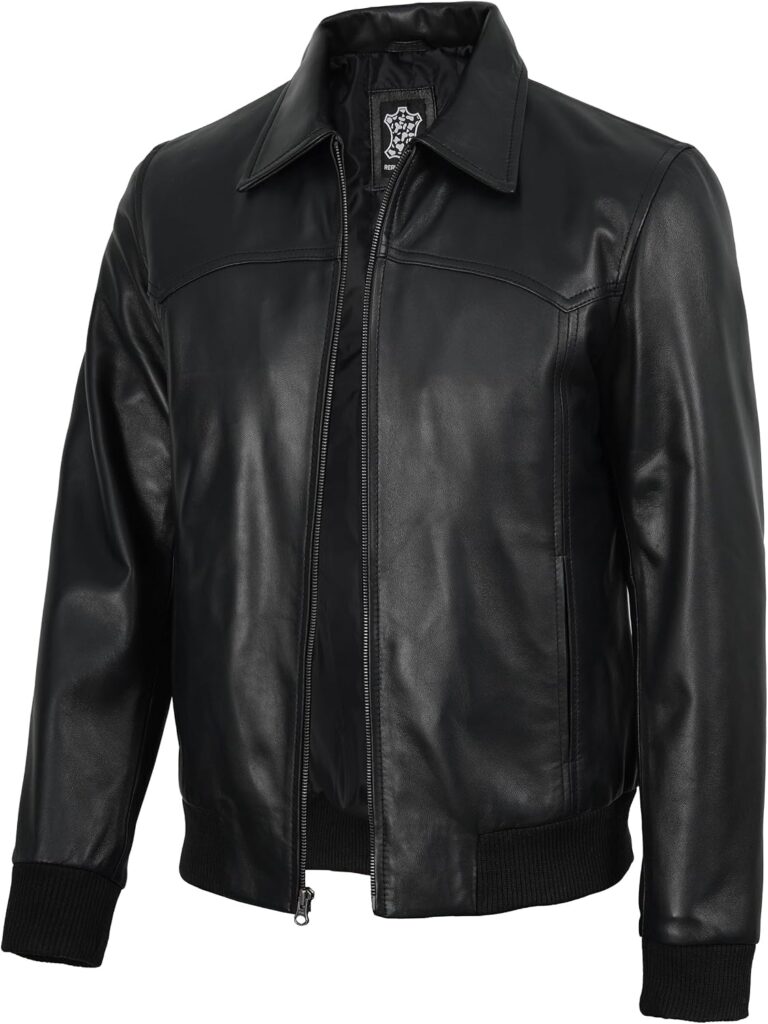
- Leather—Historically the benchmark for abrasion resistance. Full-grain cowhide or heavier lambskin offers good sliding resistance and tends to age well with care. Leather jackets often lack built-in waterproofing and can be heavy; they can be treated for water resistance but may stiffen when wet. Leather also typically requires more care (conditioning, careful storage).
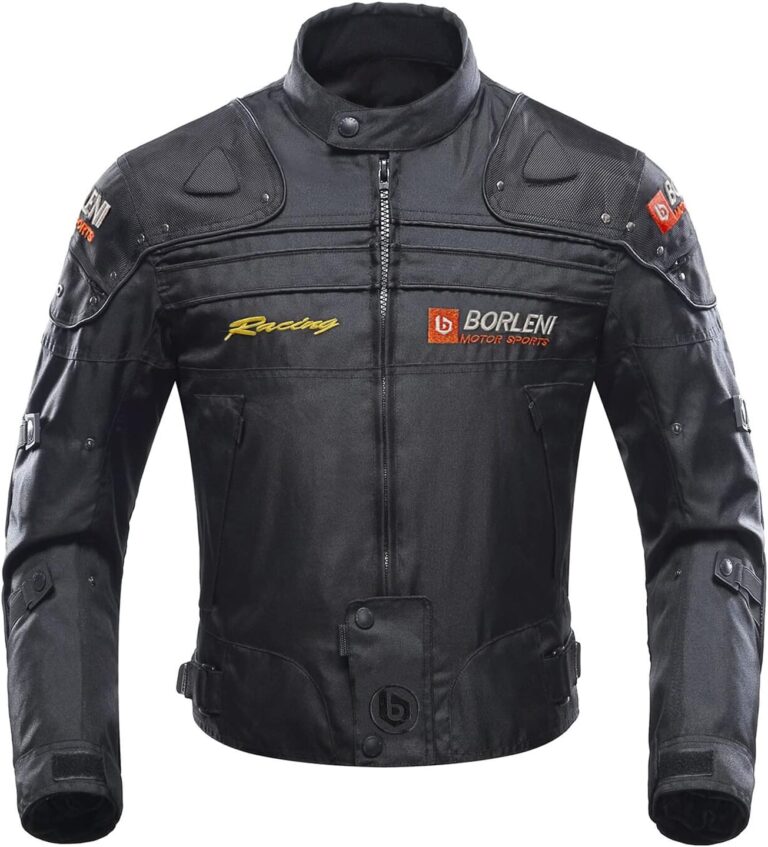
- Textile (cordura, nylon blends, proprietary fabrics)—Modern textiles can be engineered for abrasion resistance, weatherproofing and breathability. They frequently feature removable waterproof liners and modular armor pockets. Textile jackets are versatile and often lighter than leather, but protective performance varies widely—check the fabric construction and reinforcements.
- Mesh/ventilated jackets—Best for hot climates and slower speeds where airflow prevents overheating. Mesh sacrifices some abrasion resistance; look for jackets that combine mesh panels with armored, reinforced areas in high-contact zones.
- Hybrids and laminates—Many jackets use leather in impact zones and textile elsewhere, or a waterproof/breathable laminate like Gore-Tex. These blend the advantages but can increase cost and complexity of care.
Construction details matter: double or triple stitching in seams, internal reinforcements at high-wear areas (elbows, shoulders), and robust zippers and closures reduce risk of failure in a slide. Ask the manufacturer about seam reinforcement and abrasion testing if that’s critical to you.
Protection: armor, coverage and certifications
Impact protection comes from armor (foam or composite inserts) and the jacket’s overall coverage and construction. Key practical points:
- Armor locations—Shoulder, elbow and back are standard; some jackets offer chest, hip or spine extensions. Ensure armor covers the point of likely contact without shifting during riding—good fit matters.
- CE ratings—Armor can be CE certified (EN 1621-x series). CE categories describe impact performance; higher levels offer greater tested energy absorption. If armor level is important to you, verify the specific CE rating for each armor piece with the manufacturer or on the product label.
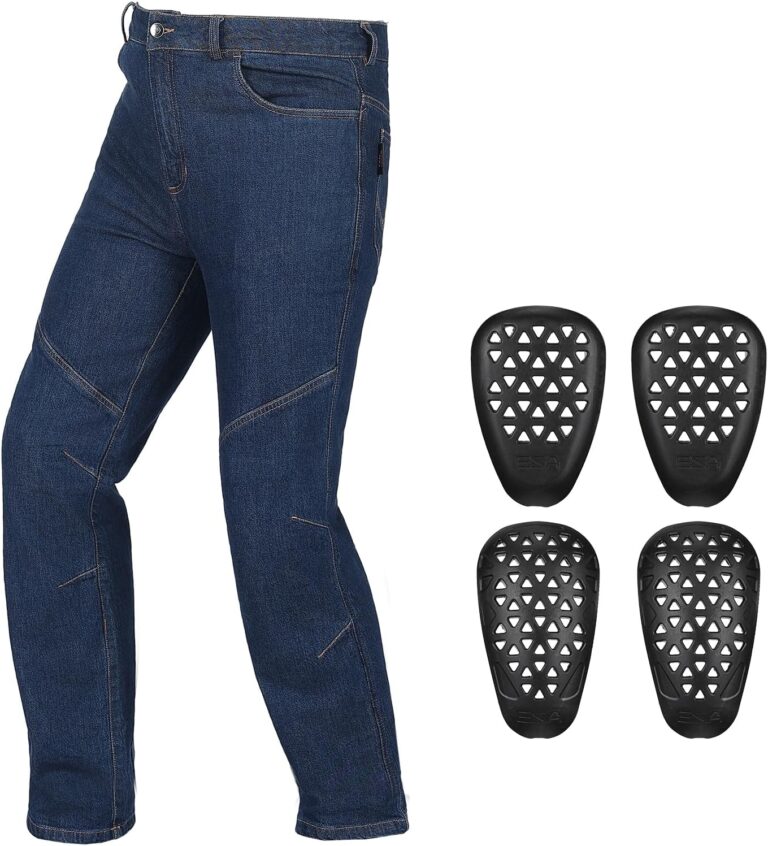
- Removable vs integrated—Removable armor makes washing easier and allows upgrades, while integrated armor may be better positioned. If you plan to upgrade armor, confirm that the jacket’s pockets accept aftermarket pieces and note the maximum thickness the pocket supports.
- Coverage and overlap—A jacket should overlap with pants to avoid exposed skin at the waist. Consider a jacket with a full-connection zipper and a long tail if you spend time in a forward-leaning position (sport riding) or standing (adventure use).
Never assume armor is present or certified—read the product details or ask the maker. For safety-critical values and certs, check the manufacturer documentation rather than relying on secondary sources.
Fit, ergonomics and movement on the bike
Fit is a safety issue, not just comfort. A jacket that’s too loose can ride up in a slide or allow armor to move; one that’s too tight can restrict steering and breathing. Consider these practical fit guidelines:
- Riding posture—Try the jacket in your riding posture. Sport riders need shorter waists and sleeves cut for a forward lean; upright riders need full sleeve length and a longer torso for coverage.
- Layering allowance—If you plan to add thermal liners or thick base layers, size to allow that without compressing armor. Conversely, don’t size so large that armor shifts around on thin summer layers.
- Sleeve length and cuff design—Sleeves should reach the wrist bone when arms are extended. Cuffs with closures keep wind and rain out and prevent sleeves from riding up in a slide.
- Collar and neck comfort—A low, soft collar is comfortable for helmets; high, stiff collars may provide more wind protection but can interfere with full-face helmets or scarves.
- Adjustability—Waist straps, forearm and bicep adjusters help fine-tune fit and keep armor in place. Connection zips that attach to pants improve coverage in a slide.
A proper test ride—if the seller allows—shows how the jacket behaves dynamically: does it flap at highway speeds, restrict movement, or pinch under the arms? If you can’t test ride, try simulated positions and ask about return policies in case fit is wrong after a trial.
Weather and climate: ventilation, liners and waterproofing trade-offs
Weather performance isn’t one-size-fits-all. The main trade-off is between waterproofing and breathability. Here’s how to think about it:
- Waterproof vs water-resistant—A membrane (like Gore-Tex or other laminates) can make a jacket waterproof and breathable, whereas treated fabrics (DWR) are only water-resistant and may wet out in steady rain. Waterproof liners are great for touring and commuting in wet climates, but membranes add complexity and can reduce ventilation.
- Removable thermal liners—Useful for four-season riding: remove the liner and add layers in summer, or keep it in colder months. Liners also affect packability and dry time.
- Ventilation—Large intake vents (chest, arms) and exhausts (back) are essential in hot weather. Mesh jackets maximize airflow but reduce abrasion resistance—look for jackets that combine armored, reinforced impact areas with mesh panels in low-impact areas.
- Layering strategy—In variable climates, layering a breathable base layer under a non-waterproof shell with a packable waterproof shell can be more versatile than relying on a single all-season jacket.
Decide which conditions you face most often and prioritize accordingly. If exact waterproof/breathability performance is critical, verify membrane type and waterproof ratings with the manufacturer.
Choosing by riding style: match jacket type to your use
Different riding styles benefit from different jacket attributes. Here’s a practical run-down to help you zero in on the right category.
- Sport and track—Look for jackets with a close, aerodynamic fit, strong abrasion resistance (often leather or leather/textile hybrids), high-performance armor, and minimal flapping at speed. Consider a jacket with good overlap and a secure connection to pants.
- Touring—Comfort and weather protection are priorities. Waterproof liners, removable thermals, many pockets and good ventilation for long days are useful. Durability and ease of repair matter when you’re far from home.
- Commuting—Visibility, water protection and quick on/off are key. Reflective accents and a waterproof shell help, as does a casual-looking jacket you don’t mind wearing off the bike.
- Adventure/dual-sport—Look for a balance: durable textiles that resist branches and abrasion, large ventilation options for slow-speed heat, and taller collars/longer cut for standing on the pegs. Armor should be secure for off-road contacts.
- Cruiser and retro—These riders often favor leather and classic cuts. If you ride aggressively or in mixed conditions, prioritize modern protective features even in a retro design.
Use these categories as a guide not a rule. Many modern jackets borrow elements from multiple categories—pick features that match what you actually do on the bike.
Maintenance, inspection and when to replace a jacket or armor
Regular care prolongs protection and comfort. Basic maintenance tips and replacement cues:
- Routine cleaning—Follow the manufacturer’s instructions. Leather needs specific conditioners and should never be machine-washed. Textile jackets often have removable liners and washable shells—use mild detergent and hang dry. Avoid heat sources and direct sunlight when drying.
- Waterproofing refresh—DWR coatings on textiles wear off; manufacturers recommend re-treating with approved sprays or washing additives. For membrane jackets, follow care instructions to preserve breathability.
- Inspect for damage—After any crash, inspect seams, fasteners, armor pockets and exterior fabric. Even if armor looks intact, impacts can compress or degrade protective materials—replace armor if it shows visible damage or if it behaved as an impact point in a fall.
- Service life—There’s no single expiration date. Leather degrades slowly with use and exposure; textiles may degrade from UV and repeated washing. If the jacket’s structure or coverage is compromised, replace it. Keep receipts and note when armor was installed so you can track replacements over time.
If exact care steps or replacement intervals matter for warranty or insurance reasons, consult the manufacturer documentation. When in doubt after a crash, replace armor and seriously damaged jackets—don’t gamble on compromised protection.
Shopping and test-ride checklist: how to evaluate a jacket before buying
Bring this practical checklist when trying on jackets at a dealer or testing during a short ride. These checks catch fit and functional issues that photos and specs won’t reveal.
- Try the jacket on over the layers you normally ride with. Move into riding positions—lean forward, turn the bars full lock, and reach for an imaginary control to test range of motion.
- Check sleeve length and wrist fit. Sleeves should end at the wrist bone with slight bend; cuffs should seal without pinching.
- Confirm armor placement by feeling where shoulder, elbow and back protectors sit. Ask if armor is removable and what level (CE rating) it carries.
- Test zippers, snaps and closures for ease of use with gloves. Ensure connection zips align with your pants if you plan to pair the jacket with specific riding trousers.
- Check vent placement and operation; look for exhaust vents and airflow paths. If possible, test ventilation with a short ride to feel airflow and flapping.
- Inspect seams and stitching quality; tug gently on high-wear areas to get a feel for construction robustness.
- Ask about waterproofing, liners and care. Verify return policy in case the fit or performance isn’t right after extended use.
For more introductory tips, see our Jackets Buying Guide for Beginners for a compact checklist and buying flow.
Common mistakes riders make when choosing a jacket
Riders often prioritize the wrong features or overlook critical fit and protection issues. Watch for these traps:
- Buying the wrong size for fashion—A snug, stylish fit may look good off-bike but can compress armor and limit movement in riding posture.
- Assuming visible padding equals protection—Not all padding is CE-rated armor. Verify the standard and coverage rather than assuming protection from appearance.
- Choosing waterproofing over ventilation—For riders in hot climates, a totally waterproof jacket without strategic vents can be more dangerous due to overheating. Consider removable waterproof shells instead of a single all-seasons jacket.
- Neglecting connection to pants—A jacket that doesn’t overlap pants can expose skin at the waist in a slide. Use jackets with connection zips or long tails for better coverage.
- Skipping a test ride—Static fitting misses how a jacket behaves at speed. If you can’t test-ride, verify generous return and exchange options.
Practical next steps and buying checklist
Use this short practical checklist to finalize your decision and buy confidently:
- Decide your primary riding use and climate: commuting, sport, touring, or adventure.
- Set non-negotiables: armor locations, removable liners, waterproofing, connection zips, or specific materials.
- Try on multiple sizes over layers and simulate riding positions; test closures with gloves on if possible.
- Verify armor CE ratings, removable armor pocket sizes, and manufacturer care instructions before purchase.
- Confirm return policy and warranty, and ask about replacement armor availability.
- Plan for maintenance supplies: leather conditioner, DWR sprays, and a gentle wash method for liners.
- If buying online, check measured garment dimensions and read return policy carefully; expect to size for layering.
For specific product categories and example jackets, see our reviews and comparison posts (for example the BORLENI D-020 review and the Zyxformis ZY07 review), which illustrate how different jackets balance features and price. Use those articles to compare real-world build choices and features against your priorities.