
Smart Kitchen Organization Ideas for Small and Busy Homes
When space is limited and time is short, every square inch of your kitchen needs to pull its weight. Smart organization reduces stress, speeds meal prep, and keeps clutter from spiraling out of control.
This post shares practical, room-by-room strategies you can implement this weekend — no major remodel required. Focus on zones, vertical solutions, and a few right-sized products that multiply usefulness in small, busy kitchens.
1. Start with clear zones and a realistic inventory
Before buying bins or racks, map how you really use the kitchen: prep, cooking, plating, cleaning, and storage. Keep frequently used tools and ingredients close to their work zone. For example, stash prep gadgets and measuring tools near the counter where you most often chop and mix — browse the Tools & Gadgets category for compact, multi-purpose items that shorten task flow.
2. Use vertical narrow furniture to multiply storage
Small kitchens often have vertical space that goes unused. Slim, tall cabinets and rolling narrow carts make for huge gains without crowding walkways. Consider a tall, narrow unit to hold baking sheets, cutting boards, or pantry overflow; a product like the Vecelo 4-tier tall narrow storage cabinet works well in tight gaps beside appliances or between counters.
3. Build a smart pantry — not just more shelves
In compact homes, the pantry has to be curated. Group items by use (breakfast, baking, snacks), store bulk in uniform, stackable containers, and keep a clear “open first” shelf for items that need using soon. If you need a freestanding solution with adjustable shelves and drawers, a dedicated pantry cabinet such as the IRONCK kitchen pantry storage cabinet gives structure without a built-in remodel.
4. Refrigeration strategy for small homes
Smaller households benefit from a focused fridge strategy: clear containers for leftovers, a designated produce drawer with breathable bags, and a slim second fridge for overflow if needed. Compact, energy-efficient models can be lifesavers in a studio or shared apartment — for example, a compact unit like the Anukis compact refrigerator can serve as a primary fridge in very small setups or as supplemental storage for bulk buys.
5. Make drawers work: flatware, tools and zones
Well-organized drawers speed every meal. Keep flatware and everyday utensils in the top drawer near the dishwasher or sink; reserve deeper drawers for pots and pans. Use shallow trays for measuring spoons and frequently used gadgets so they’re always visible.
If you’re restocking basics, a good flatware set with simple, stackable storage can reduce drawer clutter — consider the Amazon Basics 20-piece stainless steel flatware set for durable, everyday pieces that fit neatly into organized drawers.
6. Choose the right food storage containers
Uniform, airtight containers change how much you can store. They stack cleanly, save space, and keep ingredients visible. Opt for glass or BPA-free plastic containers with secure lids; clear sides help you see what’s left at a glance and reduce duplicate purchases.
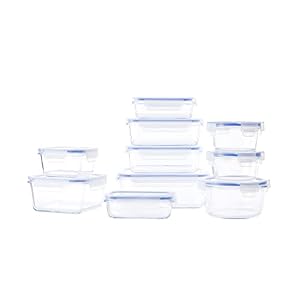
A 20-piece locking-lid set is a practical starter kit for a small kitchen — the Amazon Basics glass locking lids set is a reliable option for meals, leftovers, and prepped ingredients that stack and seal well.
7. Streamline trash, recycling and quick cleanups
A tidy countertop starts with a trash system that fits your pace. Sensor or touchless bins reduce mess in busy moments and cut down on lingering odors. For small but busy kitchens, a compact sensor can minimize interactions during cooking and help contain scraps.
Consider a model like the iTouchless 13 Gallon SensorCan for hands-free disposal that keeps surfaces cleaner and speeds cleanup.
8. Keep a short, effective cleaning routine
Organization only lasts with a simple maintenance plan. A 10-minute nightly reset keeps counters clear and prevents clutter build-up. Keep your cleaning supplies compact and accessible — a dedicated caddy under the sink or a slim rolling cart works well. Browse the Cleaning Supplies category for compact tools and cleaners that fit small storage spaces.
9. Make multitasking work: meal prep and time-saving habits
Busy households benefit from systems that reduce decisions: a weekly menu, pre-chopped vegetables in stackable containers, and “mise en place” stations for commonly cooked meals. Batch-cook on low-demand days and freeze meal portions in uniform containers so reheating is fast and neat. Keep your go-to seasonings in a single, labeled rack near the stove to avoid searching during peak prep moments.
Quick checklist for a weekend refresh
- Declutter counters: remove non-essential items and donate duplicates.
- Zone mapping: label one shelf or drawer for each main task (prep, cooking, plating, cleaning).
- Install vertical storage: use tall narrow cabinets or a rolling cart in gaps.
- Switch to uniform stackable containers for pantry and fridge items.
- Set up a hands-free trash bin near prep and cleanup zones.
- Schedule a 10-minute nightly reset to maintain order.
FAQs
- How do I decide between open shelving and closed cabinets?
Open shelving saves visual space and forces you to maintain fewer items, but it requires regular tidying. Choose open shelves for frequently used plates and cups; keep less attractive items in closed cabinets.
- Which storage containers are best for meal prep?
Glass containers with locking lids are durable, stackable, and safe for reheating. Uniform sizes allow efficient stacking and better use of fridge and pantry space.
- What’s the best way to store pots and lids in a small kitchen?
Use vertical dividers or a shallow pull-out rack to store lids upright. Nest pots by size and keep the most-used set in the most accessible drawer or lower cabinet.
- How often should I declutter the pantry?
Do a quick check every month to remove expired items and re-evaluate placement. A more thorough restock is sensible every 3–4 months.
- Are sensor trash cans worth it for a small kitchen?
Yes — they reduce surface contact and mess during cooking, especially if you frequently handle raw ingredients or have limited counter space for temporary scraps.
Conclusion
Small, busy kitchens reward clear decisions and compact, multi-use solutions. Start by zoning your space, add vertical and slim storage where possible, standardize containers, and pick a few products that save repeated effort. With a weekend of focused changes, you’ll cut daily friction and keep your kitchen performing at its best.
Products Featured in This Article

VECELO 4-Tier Tall Narrow Storage C…
Adjustable Shelving System: VECELO tall storage cabinet measures 14.57" W x 11.42" D x 65.35"H with…


Anukis Compact Refrigerator 3.5 Cu …
Make sure this fits by entering your model number. ❄️【Energy Saving Design】: Low consumption power low…

Amazon Basics 20-Piece Stainless St…
Make sure this fits by entering your model number. 65-piece set of stainless steel flatware for…

iTouchless 13 Gallon SensorCan Touc…
Make sure this fits by entering your model number. 100% Touchless – Just the Motion of…
Amazon Basics Glass Locking Lids Fo…
Make sure this fits by entering your model number. 20-piece set includes 10 borosilicate glass bases…