RiderInstinct Editorial Team
What a motorcycle base layer actually does (and doesn’t)
A base layer is the garment you wear directly against your skin. Its two primary jobs are moisture management and forming the foundation of your thermal system. By wicking sweat away from skin and spreading it over a larger surface, a good base layer helps evaporate moisture quickly so you feel drier and the layers above can do their job.
What a base layer will not do: it won’t stop wind, it won’t prevent impact injury, and it won’t replace a technical outer shell or armor. For windproofing and abrasion resistance you need a purpose-built outer jacket, pants and armor. Think of the base layer as an important comfort and performance component, not as personal protective equipment.
Practical implications for riders: a damp, cold base layer makes you feel miserable at speed; a breathable, quick-drying base layer can keep you comfortable and reduce distractions on a long ride. Your choice affects odor, thermal regulation, drying time between days on the road, and how bulky your layers become under a riding suit.
Materials and trade-offs: wool, synthetics, silk and why cotton is usually a bad idea
Different fibers behave very differently. Understanding trade-offs helps you pick the right base layer for your riding style and climate.
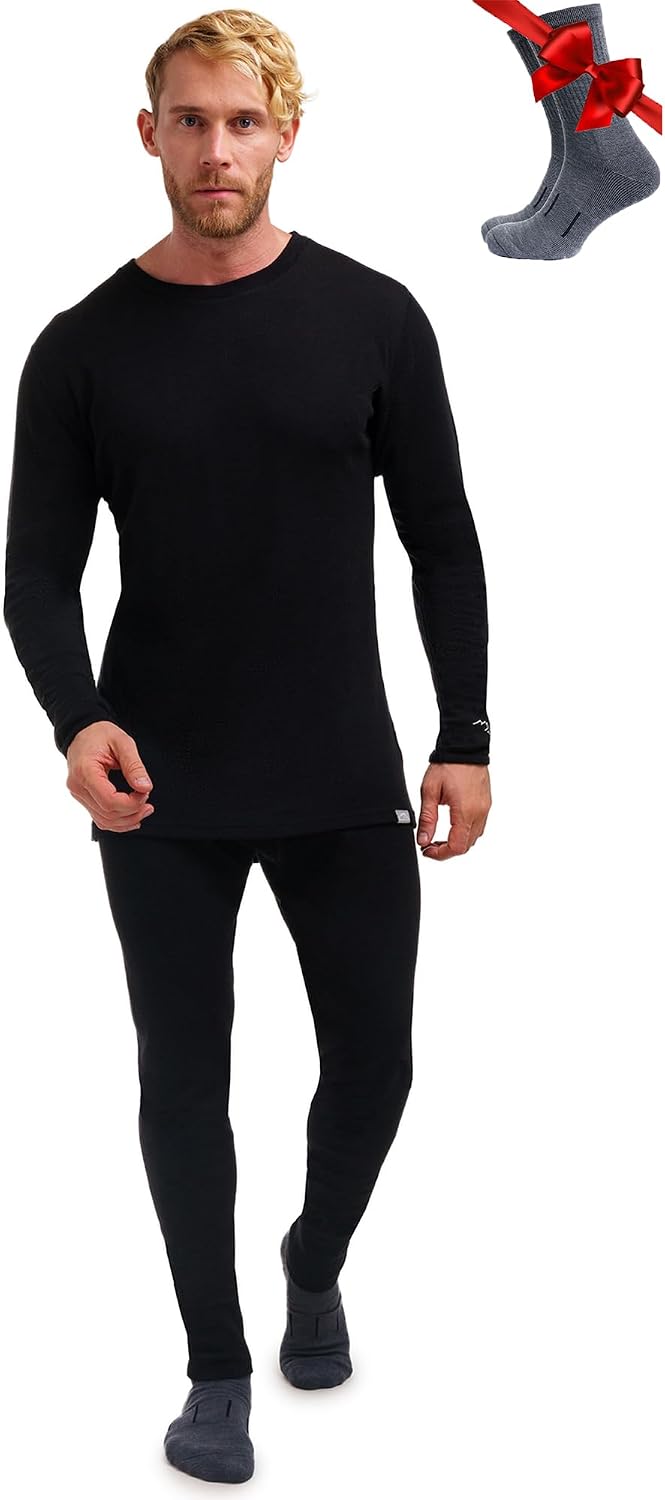
- Merino wool: Naturally odor-resistant, warm for its weight, and fairly breathable. Merino performs well on multi-day trips when you can’t wash every day because it suppresses bacterial odors. It also retains some insulating ability when damp. Downsides are cost, slower drying than synthetics, and potential pilling over time. If you’re considering merino, see related merino options in our product list for examples.
- Synthetic blends (polyester, nylon, elastane): Fast-drying, durable, and often cheaper. Synthetics wick aggressively and typically handle repeated washing and abrasion from backpacks or armor better than fine wools. They are a strong choice for hot-weather or high-sweat riding. The trade-off is more odor retention unless treated or blended with wool.
- Silk: Lightweight and comfortable in mild temperatures; silk can be a pleasant next-to-skin layer for low-sweat, temperate rides. It’s less common for motorcycle use because it’s delicate and doesn’t manage heavy perspiration as effectively as synthetics or wool.
- Bamboo and other plant-based fabrics: Often marketed for softness and breathability. They can be comfortable but check durability and care requirements; performance varies widely by manufacturer.
- Cotton: Avoid as a base layer while riding. Cotton absorbs and holds moisture, so once you sweat it becomes cold and heavy — a liability in cooler conditions or at speed.
Bottom line: choose merino or merino blends for odor control and multi-day comfort; pick synthetics for aggressive moisture transfer, quick drying and durability. Blended garments try to deliver the best of both worlds.
Fit and construction: why profile, seams and stretch matter for riders
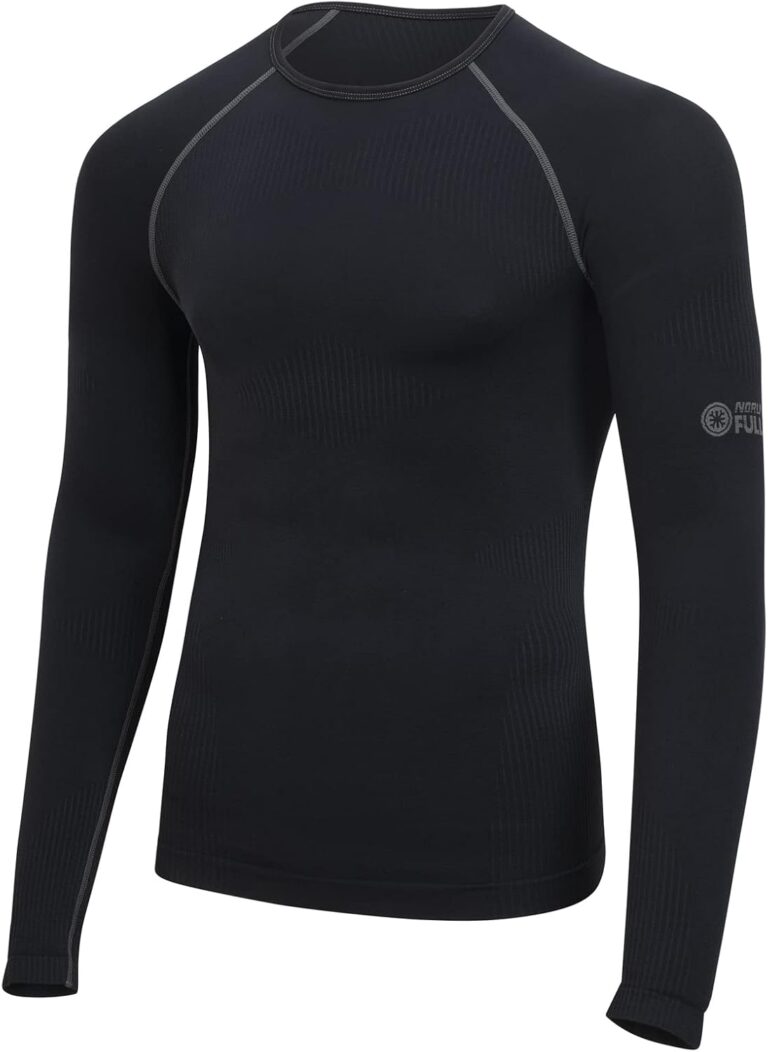
How a base layer fits is as important as what it’s made of. For motorcycle riders you’ll usually want a snug, form-fitting base that remains in place under armor and outer textiles without bunching.
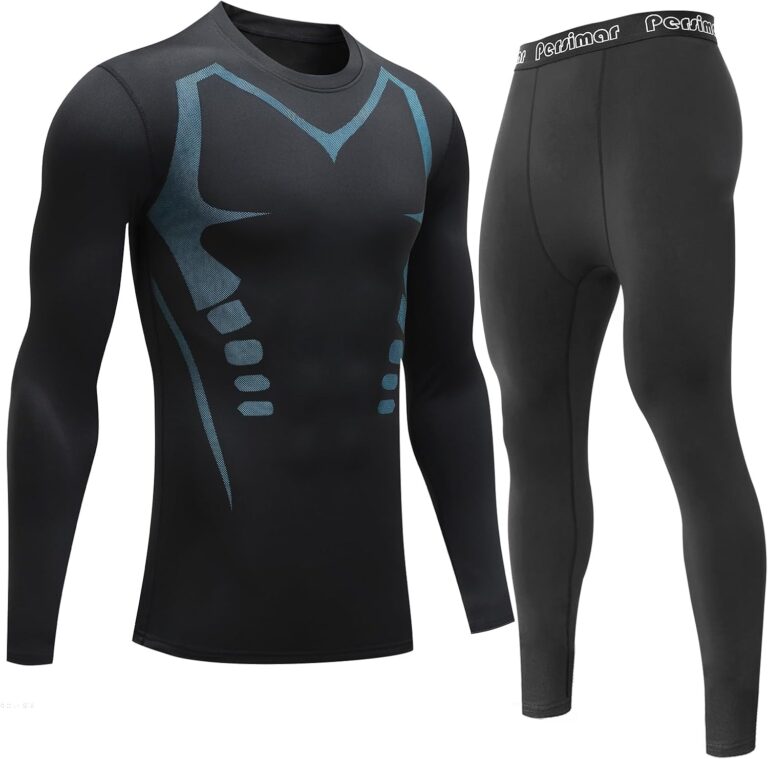
- Compression vs. close-fit: Compression garments are tighter and can improve circulation or reduce fabric movement under armor, but overly tight compression can restrict movement or cut circulation during long rides. A close, non-compressive fit often offers the best balance: stays against skin, allows full movement, and layers up smoothly.
- Seams and construction: Look for flatlock seams to minimize chafing under helmets, necklines and shoulder straps. Minimal seams across shoulders and where armor sits reduce pressure points. Articulated cuts and gussets improve movement on the bike.
- Stretch and recovery: Elastane or spandex content provides stretch so the garment keeps its shape without sagging. Too little stretch and the base layer will bind or tear; too much and fabric may ride up.
When trying on base layers, raise your arms and simulate riding posture to check for bunching under the shoulders, chest and waistband. If you plan to wear a separate armored shirt or back protector, test the base with that gear to ensure comfort and no interference.
Layering strategies by climate and riding intensity
There is no single best base layer for every condition. Instead, use a layering framework: base layer (moisture control), insulation layer (traps air), and shell (wind/water/abrasion protection). Adjust layers depending on temperature, wind, and activity level.
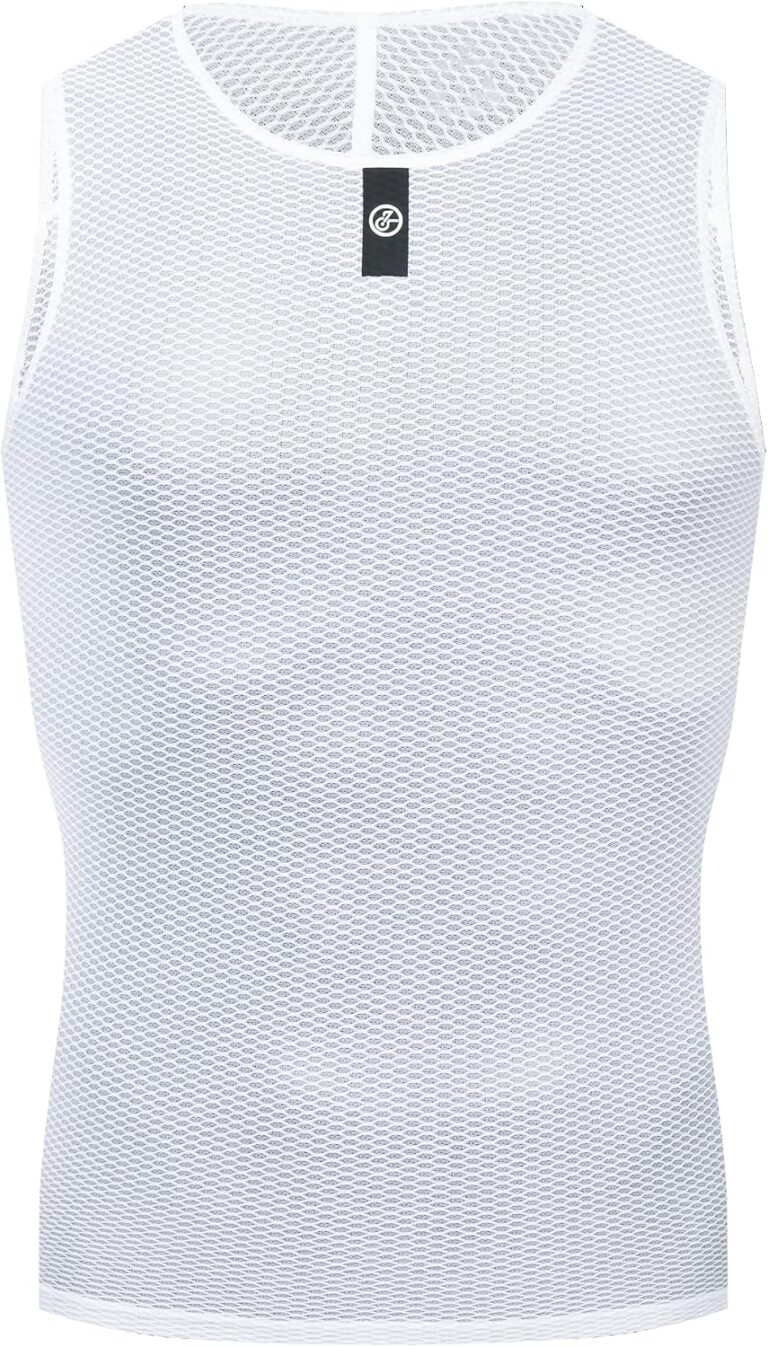
- Hot and humid riding: Lightweight, breathable synthetic or lightweight merino works well. Prioritize garments that wick and dry quickly; avoid heavy weaves. Consider ventilated outer gear and sun-protection tops if you get long exposure.
- Mild to cool conditions: A midweight synthetic or lightweight merino can keep you comfortable. Pair with a removable insulated midlayer or a mesh/vented jacket that lets you dump heat when stopped.
- Cold weather: Choose a thermal or mid-to-heavyweight merino or synthetic base layer as the foundation. Add a fleece or insulated midlayer and use a windproof outer shell. At speed, windproofing matters more than raw insulation thickness because moving air strips heat quickly.
- High-exertion riding (sport, commuting in warm weather): Favor high-wicking synthetics that move moisture quickly and dry fast. Compression or performance athletic tops are an option, but make sure they don’t impede movement or trap heat.
Note: exact temperature ranges are not universal — body size, metabolism, and airflow across your bike change how warm you feel. Use subjective judgment and adjust layers when you stop to prevent over- or under-dressing.
Motorcycle-specific considerations: armor, bulk, pockets and sun protection
Riders have different needs than hikers or runners. Consider these motorcycle-specific issues when choosing a base layer.
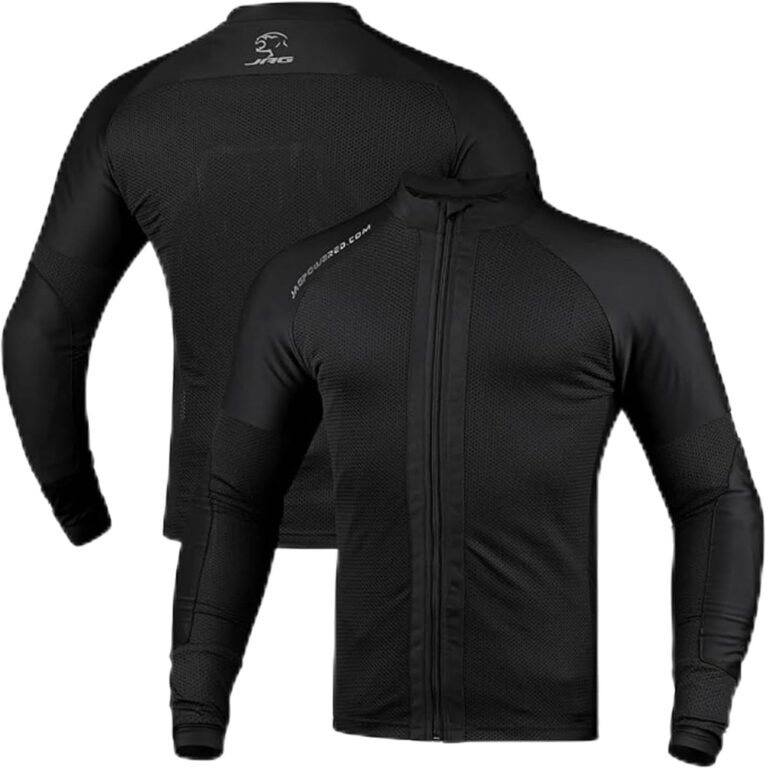
- Armor compatibility: If your jacket or a separate armored shirt has integrated protectors, ensure the base layer doesn’t slide or create pressure points under armor. Some riders choose very thin, flat base layers under armor; others use slightly thicker garments for warmth but confirm fit with your armor in place. For riders seeking purpose-built combinations, look into dedicated motorcycle armored mesh shirts and compatible layers as an option.
- Bulk under a race suit or slim touring jacket: Extra thickness adds compression or restriction. If you’re fitting under a close-cut textile or leather suit, favor thinner technical base layers or compression-style tops designed to sit flat.
- Pockets and thermal stores: Some base layers incorporate small stash pockets or half-zips for ventilation. Consider whether you want a mid-zip for venting under high exertion.
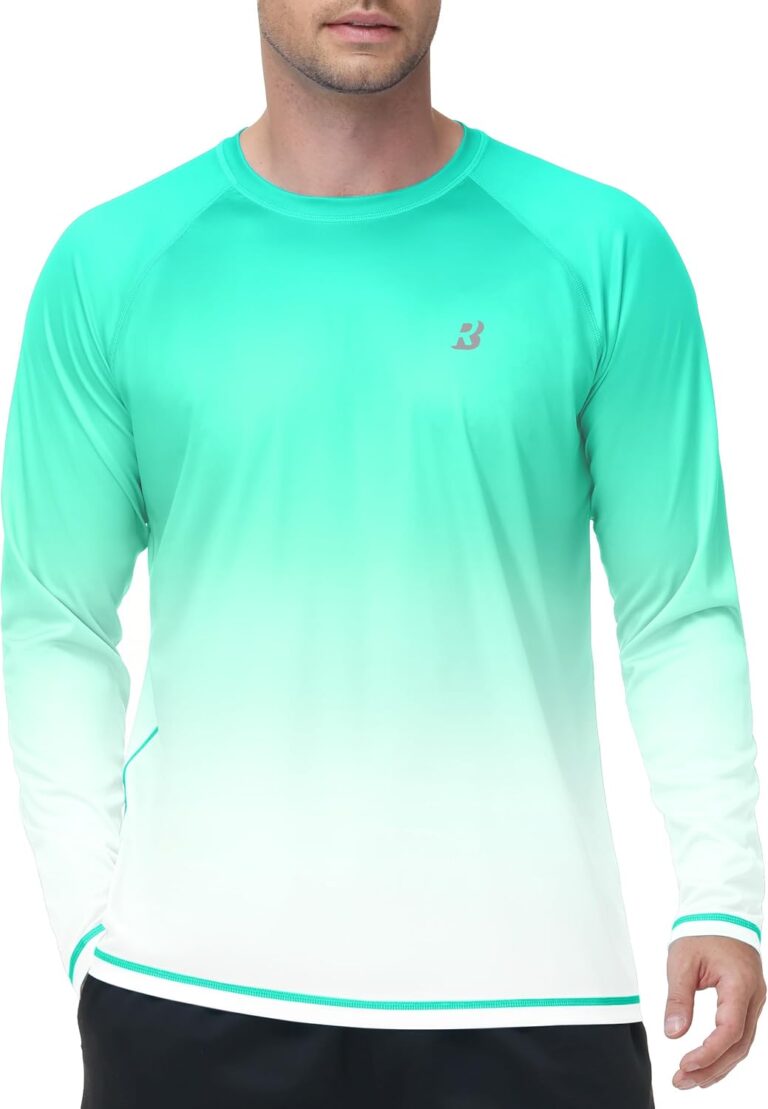
- Sun protection: Long-sleeve UPF-rated tops can be useful on long summer rides. If you ride in strong sun a lot, consider lightweight sun-protection garments designed to block UV rather than relying solely on sunscreen.
Internal links: If you want to explore sun-protection tops or armored shirts that pair with base layers, see examples in our product list, including lightweight UPF tops and armored mesh shirts.
Care and maintenance: prolong performance and lifespan
How you wash and store base layers affects odor, breathability and fabric life. Follow the garment label, but these general rules apply broadly:
- Avoid fabric softeners: Fabric softeners and some dryer sheets leave residues that reduce wicking performance.
- Wash to remove sweat and bacteria: Rinse or wash after heavy use. Merino can often be worn multiple times before washing for odor reasons, but if it’s soaked with sweat or sunscreen, wash it.
- Low heat drying: High dryer heat can shrink merino and damage elastane. Air-dry or use low heat if the label allows.
- Use a gentle detergent: For wools, use a wool-safe detergent. For synthetics, choose detergents formulated for activewear to avoid residue build-up.
- Address odor: For stubborn smells, pre-soak in cool water or use an enzyme cleaner safe for active fabrics. Avoid chlorine bleach on colored or wool garments.
When in doubt, check the manufacturer’s instructions. Proper care helps base layers retain their wicking and insulating properties for seasons rather than months.
Packing for long trips and multi-day strategies
On multi-day trips weight, drying, and odor control influence how many base layers you pack. Riders who want minimal clothing often rely on merino’s odor resistance to wear items multiple times. Others prefer a rotation of two or three synthetic tops to allow quick drying by hanging them overnight.
- Rotate, don’t rewear damp layers: If you sweat heavily, don’t keep the same damp base layer next day; this impairs insulation and comfort.
- Carry a fast-dry option: A lightweight synthetic top that dries overnight can be a trip-saver.
- Spot clean when necessary: If you can’t wash, rinse sweat zones and air out in sunlight where practical (but be cautious with colored garments and prolonged UV exposure).
- Small laundry kit: A travel-size detergent and a sink or basin is a small weight penalty that vastly improves comfort on long trips.
Plan based on your route, opportunities to launder, and climate. For long remote trips with little laundry access, prioritize odor-resistant fabrics like merino or merino blends.
How to choose and evaluate a base layer when shopping
When you evaluate garments, check these practical points rather than relying on marketing claims.
- Material content and declared purpose: Look at fiber percentages and whether the brand positions the item for high-activity use, travel, or everyday wear.
- Fit chart and return policy: Riding posture matters. Confirm the return policy since you’ll want to test the garment under your jacket and with any armor fitted.
- Seam placement and neck design: A low-profile collar and shoulder seam placement that doesn’t sit where helmet straps rub is preferable for riders.
- Weight and knit: Brands often list ‘light’, ‘mid’, ‘heavy’ or ‘thermo’ — use those as a clue but verify by feeling or trying on the garment. If weight specifics matter for your use, check manufacturer technical specs rather than guessing.
- Real-world reviews: Look for feedback from riders rather than generic reviewers since motorcycle posture and protective equipment change needs.
Examples: If you want a high-wicking athletic compression top, explore quick-dry and workout-style base layers. For multi-day touring, inspect merino sets and thermal long johns as examples. For sun-exposed highway miles, consider UPF-rated sun tops designed for riders.
Practical setups and real-world examples to try
Here are practical, rider-tested configurations to consider (use them as starting points and adapt to your body and bike).
- Hot, high-sweat commuting: Lightweight synthetic long sleeve base + ventilated mesh riding jacket + breathable riding pants. Add a sun-protection hoodie for stops if needed.
- Mild day rides with variable weather: Lightweight merino or blended base + thin fleece or insulated midlayer + waterproof/windproof outer you can stash easily.
- Cold touring: Mid-to-heavyweight merino base + fleece midlayer + windproof outer + insulating vest for torso warmth at stops.
- Multi-day minimal packing: Two merino tops and one synthetic top; rotate and air-dry overnight. Use a small detergent to launder as needed.
Internal links for reference: if you want to compare different types of bases and quick-dry tops, our product pages include merino base layer options, workout-style compression shirts and sun-protection tops. Also consider motorcycle-specific armored mesh shirts when you need integrated protection and breathability.
Next steps and how to test a base layer before committing
Before you buy or on a return period, test base layers with your actual riding kit. Wear the base layer, put on your jacket and armor, and take a short ride or simulate riding positions in the garage. Pay attention to:
- Any bunching or slipping under armor or shoulder straps.
- Neckline comfort with your helmet and the collar of your jacket.
- Whether seams rub under luggage straps or harnesses.
- How quickly you cool down or overheat after stopping.
Small adjustments in size or switching to a different fiber can make a big difference in comfort. If you’re uncertain, prioritize returnable purchases or buy from retailers with good trial policies. Armed with a tested base layer, your rides will be more comfortable and less fatiguing.