RiderInstinct Editorial Team
What heated gear does and where it fits in your cold-weather toolkit
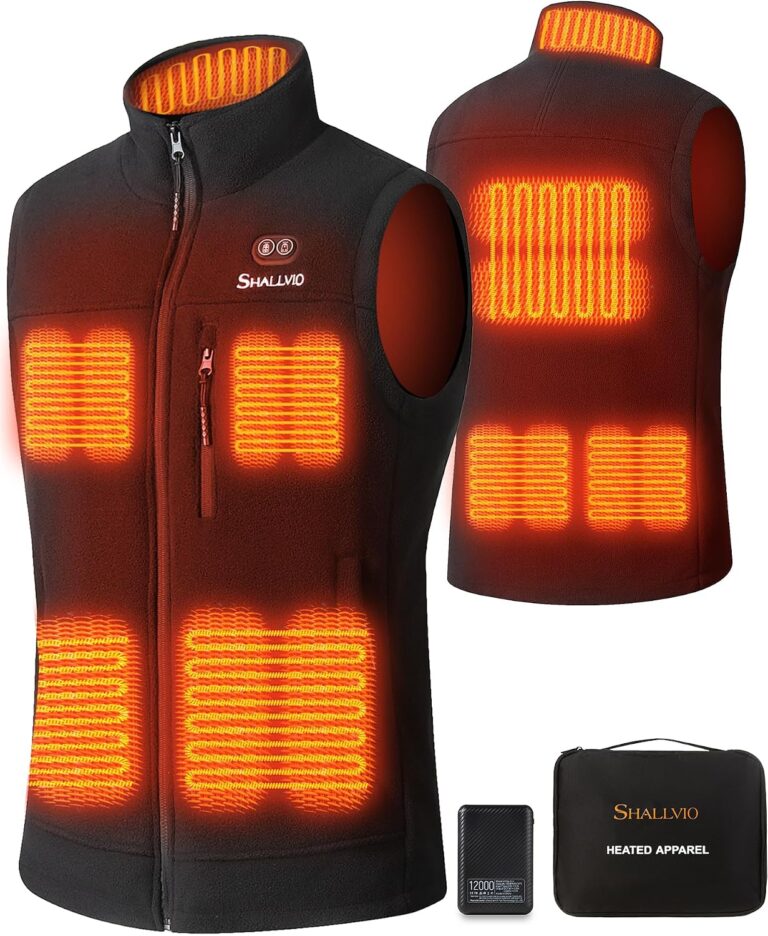
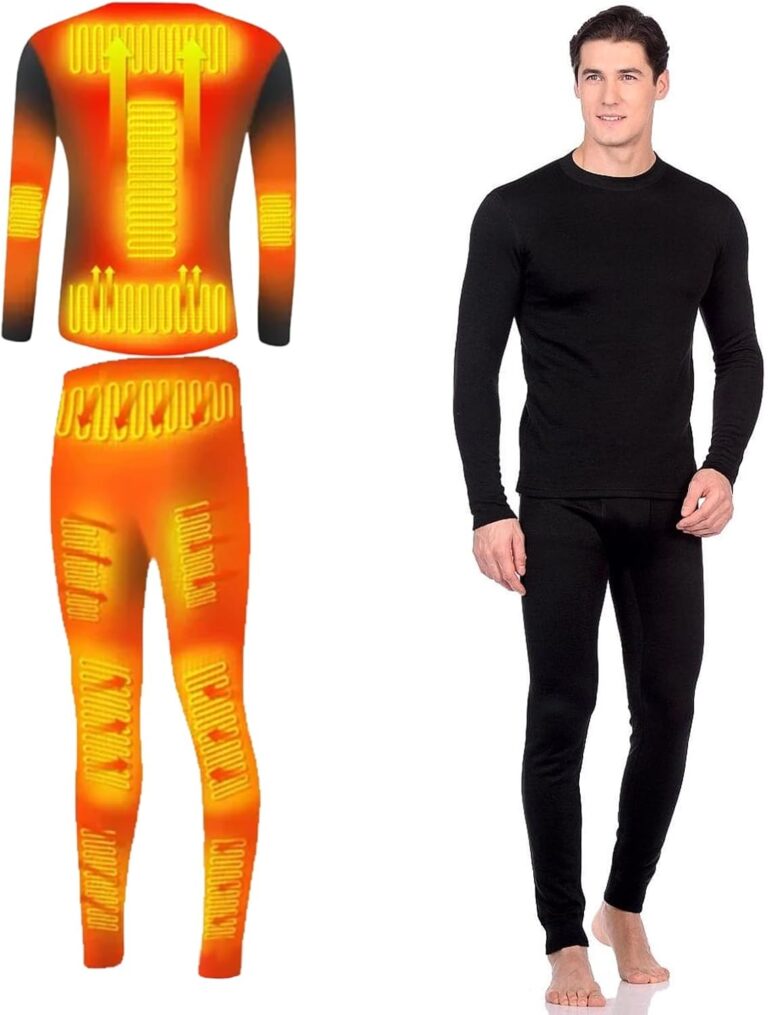
Heated clothing uses low-voltage resistive elements to add warmth directly to key zones on your body—typically the chest, back, and sometimes collar or sleeves—and heated gloves or socks target the hands and feet. That direct heating is efficient; you feel useful warmth at lower ambient temperatures without bulk. But heaters have limits: they can supplement insulation and wind protection, not replace them.
Start by separating two questions: (1) How cold will you be riding, and for how long? (2) Are you riding mostly on the motorcycle (long highway trips) or do you need warmth off-bike (commuting, walking into work)? Your answer largely determines whether you want battery-powered gear you can wear off the bike or a hardwired 12V system that relies on the motorcycle’s electrical system.
This guide explains how heated systems work, the trade-offs between power choices, how to choose heat zones and control options, installation and electrical safety, and realistic expectations for performance and maintenance.
Decision framework: power source, heat zones, and rider use-case
Before shopping, use a simple decision framework:
- Riding profile: Urban commuter with frequent stops versus long-distance tourer. Commuters often prioritize portability and off-bike warmth—battery systems win here. Tourers want indefinite runtime and fewer battery swaps—12V hardwire is a better fit.
- Primary target areas: Core (vest/liner) first, then hands (gloves or grips), then feet and legs. Warm core preserves circulation to extremities.
- Control and comfort: Do you need thermostatic control and precise temperature, or is a simple three-stage switch enough? More control can save battery life by avoiding the highest setting when it’s not necessary.
- Electrical tolerance: Can your bike’s charging system and battery support additional draw? If in doubt, plan for a hardwire with a relay or use a dedicated battery pack.
Use these priorities to narrow options: a commuter who needs off-bike warmth will likely prefer a battery vest and heated gloves; a rider who does long canyon days or multi-day tours will likely choose a 12V liner and hardwired gloves or grips.
How heated gear works: basics and terms you’ll see
Most heated garments use thin, flexible resistive elements (wires or carbon fiber strips) sewn into fabric zones. Power and control are supplied by either a removable lithium battery pack or a permanent 12V connection to the motorcycle. Controls vary from simple multi-stage switches to thermostatic controllers, wired or wireless.
Key terms to know:
- Heat zones: Separate areas of heating (e.g., chest, back, sleeves). More zones let you tune comfort and reduce heat where not needed.
- Runtime: How long a battery lasts at a given heat setting—high settings cut runtime dramatically versus low settings.
- 12V hardwire: Direct connection to the bike’s electrical system—good for long rides but requires routing, fusing and possibly a relay.
- SAE connector: A common two-pin connector used on many heated clothing systems and battery packs for quick connect/disconnect.
Manufacturers publish runtime and charging specs for their battery garments—use those numbers to match your typical ride. If those specs are absent, ask the vendor or check the product manual before buying.
Power sources: battery packs vs 12V hardwire — trade-offs and practicalities
There are two common power approaches with distinct trade-offs:
- Battery packs (removable): Pros: portable, usable off-bike, simple plug-in connection, no wiring required on the motorcycle. Cons: limited runtime, battery management required (charging and spare batteries), extra weight on the garment’s back pocket or collar. Battery runtime varies widely with heat setting; if runtime is critical, confirm the manufacturer’s rated hours and whether the battery supports quick-charging.
- 12V hardwire (motorcycle-powered): Pros: unlimited runtime when the engine is running (subject to alternator capacity), no need to recharge auxiliary batteries, typically more powerful. Cons: installation effort, need to fuse and possibly use a relay and switched power to avoid draining the starting battery, potential for fit and connector compatibility issues.
Which is right? If you want to use heated gear off the bike or have short commutes, battery-powered garments are often more practical. If you routinely ride long distances in sustained cold or do multi-day trips where plugging in isn’t practical, a hardwired solution is preferable. Many riders combine both: a hardwired jacket liner for long rides and battery gloves for off-bike warmth.
Heat zones, layering, and where to invest your budget
Heated garments are most impactful when focused on the body’s core and the hands. Consider the following priorities:
- Core first (vest or jacket liner): A heated vest or liner warms chest and back, preserving core temperature and improving overall comfort. Because these are near vital organs and large muscle groups, core heating spreads warmth effectively.
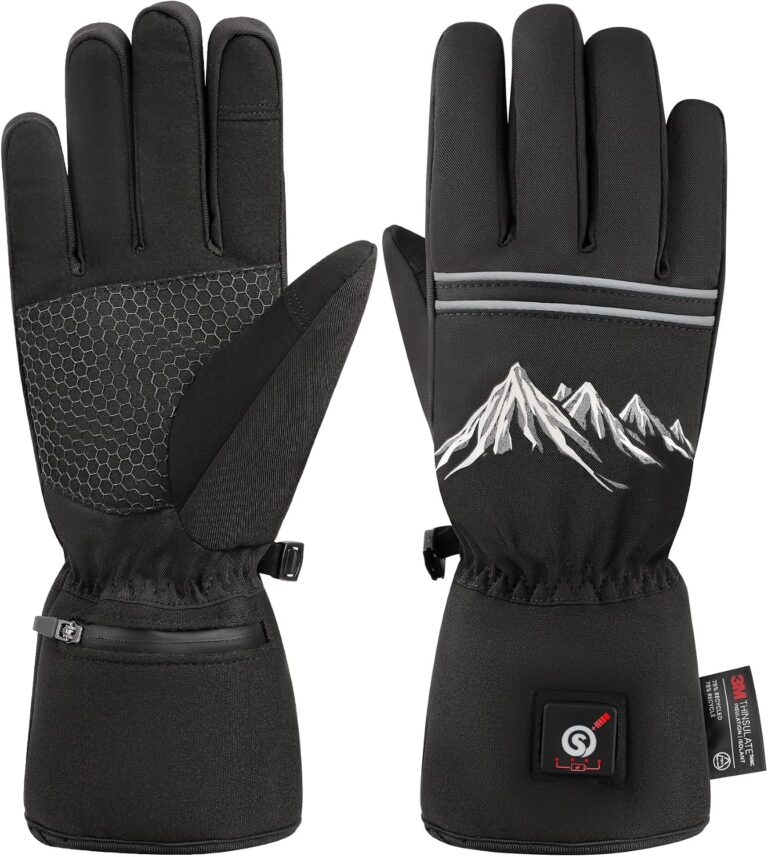
- Hands: Heated gloves or battery packs in gloves can make short rides tolerable. Heated grips help but are less effective than direct-hand heating if the gloves are too thin or wet.
- Neck and collar: A heated collar helps limit heat loss from the upper chest/neck junction. Small but noticeable effect.
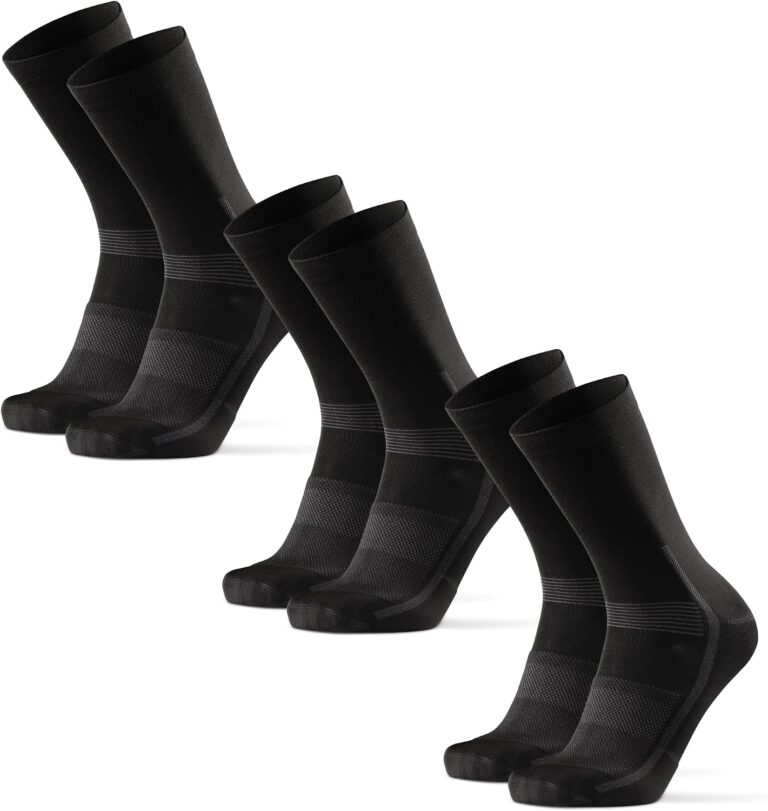
- Legs and feet: Heated pants and socks exist but are lower priority for many riders; they can add complexity and draw significant power.
Spend your money on well-built systems with reliable connectors and decent controls. A quality heated vest plus good windproof outer shell and a reliable pair of heated gloves will typically give more usable comfort than an expensive jacket liner with weak gloves.
Controls, thermostats and getting the most runtime
Controls affect comfort and battery life. Simple three-stage switches are common on consumer garments; higher-end systems use thermostats that maintain a set temperature and are more efficient because they cycle the heater rather than run it continuously.
To extend runtime without losing comfort:
- Pre-warm your gear before you leave (turn to medium or high for a few minutes, then drop to low when you’re moving).
- Use lower heat settings and rely on layers for baseline insulation—your jacket and base layers reduce the heater’s workload.
- Carry a spare battery for long rides or cold commutes if using battery-only gear.
- Use temperature control modes (if available) to avoid running at full power continuously.
Remember that manufacturers rate runtime under specific test conditions—actual runtime varies with ambient temperature, wind, rider speed, and how the garment fits. If precise runtime matters to you, verify the manufacturer’s test conditions and consider carrying a second battery or hardwiring when possible.
Installation and electrical safety basics (what to verify before you hardwire)
Hardwiring heated clothing to your motorcycle can be straightforward but requires caution. Before you start, verify these items with the garment manual and your motorcycle documentation:
- Electrical draw (amps) of the garment: Know how many amps the liner or glove draws at full power.
- Alternator and charging system capacity: Confirm that your bike’s charging system can handle the extra draw plus the bike’s existing electrical load. If you’re unsure, consult a shop or your motorcycle dealer.
- Fuse and relay requirements: Follow manufacturer recommendations for fuse rating and use a relay if recommended—do not rely on an unfused direct connection.
- Switching: Prefer switched (ignition-controlled) power to avoid accidentally draining the battery when the bike is off.
- Connector compatibility: Many systems use SAE two-pin connectors; others use proprietary plugs. Verify connector compatibility or use the correct adapter.
Routing tips: keep wiring away from moving parts, hot exhausts, and pinch points. Use loom, zip ties and grommets where wires pass through panels. If you’re not comfortable with electrical work, have a qualified technician install the system. Incorrect wiring risks electrical damage or a drained battery.
Maintenance, washing, and long-term care
Follow the manufacturer’s washing instructions exactly. Common safe practices include removing battery packs before washing, disconnecting electrical leads, and using gentle cycles or hand-washing where recommended. Some garments are machine-washable with batteries removed—check the product details.
Inspection and storage tips:
- Inspect seams and wiring regularly for chafing, exposed wires, or loose connectors.
- Store heated gear dry and at moderate temperature; avoid long-term storage with a battery attached.
- Keep contact points and connectors clean and lightly greased with dielectric grease if recommended by the manufacturer.
- Replace worn or damaged battery packs—do not attempt repairs to lithium packs yourself.
Manufacturer guidance should always override general advice—if a product page or manual gives a specific care procedure, follow that.
Realistic limitations: what heated gear won’t do
Heated clothing can make cold rides manageable, but it has limits:
- Not a substitute for insulation and windproofing: Heated gear warms, but wind and wet conditions still sap heat quickly. A good outer shell and base layers are essential.
- Extremities remain tricky: Hands and feet lose heat quickly; gloves and socks require specific attention. Heated gloves help, but cold toes often need good insulation and boots designed for winter use.
- Heat is local: Expect zones to warm the areas they cover—heated sleeves won’t warm your thighs. Choose garments with zones that match your needs.
- Battery runtime varies: Battery life is strongly affected by heat setting and ambient conditions. Don’t rely on a single battery for unusually long rides unless rated for that use.
Keep expectations realistic: heated gear makes cold riding more comfortable and safe by helping maintain dexterity and comfort, but it cannot create infinite warmth or replace proper cold-weather riding practices.
Examples and product notes (what to verify when evaluating specific items)
When you evaluate specific heated items, check these concrete items from the product documentation or a trusted review:
- Power source and connector type (battery voltage and SAE or proprietary plug).
- Published runtime at each heat setting and charge time for batteries.
- Number of heat zones and whether controls are on-garment, wired to the bike, or wireless.
- Washability and whether batteries are removable. For example, some lightweight heated vests list runtimes and washability—verify the manufacturer’s figures if runtime is critical.
RiderInstinct links that can help with comparisons and product research include buying advice and individual product pages. For a deeper look at choosing the right system for your riding style, see How to Choose the Right Heated Gear for Your Riding Style. Product pages with manufacturer details can help you confirm runtimes and features—examples include internal product pages for heated vests and gloves. Always verify manufacturer specs rather than relying solely on summaries.