RiderInstinct Editorial Team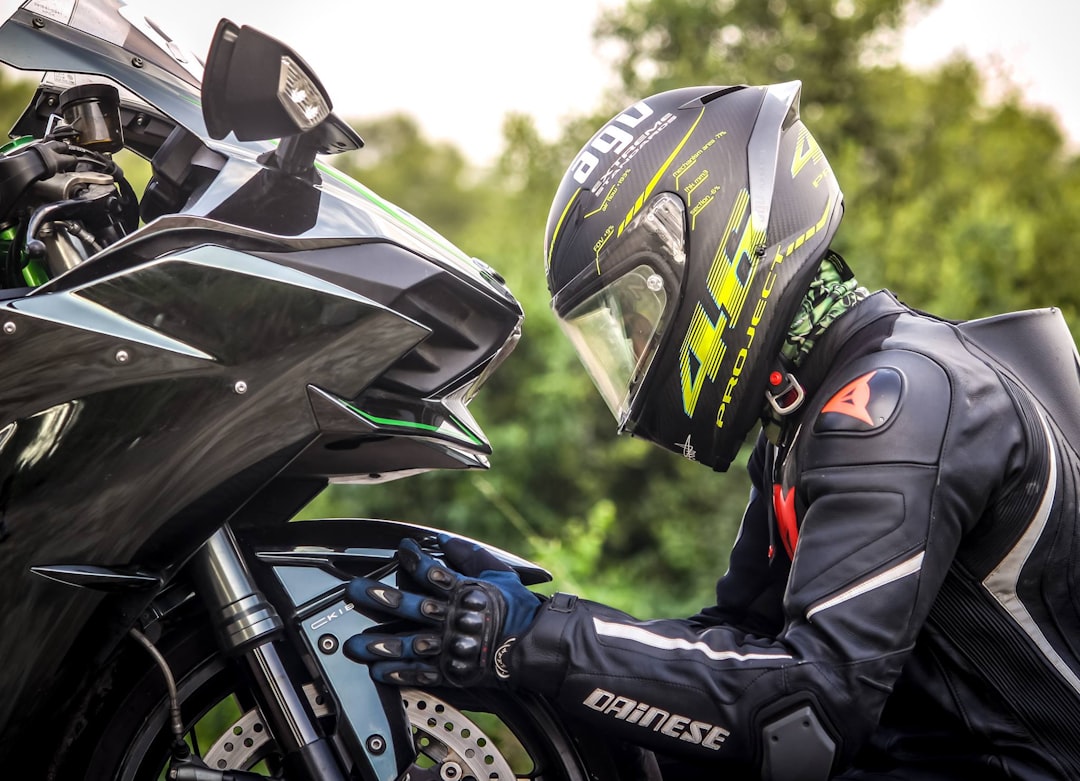
Why accessories matter — and where they can backfire
Accessories can transform a motorcycle’s usefulness: protective gear reduces injury in a crash, luggage makes commuting and touring realistic, and lighting improves visibility. But accessories also change a bike’s weight distribution, aerodynamics, electrical load and complexity. A seemingly simple add-on — a heavy tail bag, a windscreen or extra lights — can affect handling, stress mounting points or overload the charging system if not installed properly.
Before buying, think about two questions: what problem are you solving, and what are the trade-offs? Hard choices include added weight vs. storage capacity, electrical convenience vs. battery/alternator capacity, and added wind protection vs. aerodynamic buffeting. This guide helps you frame those trade-offs and choose accessories that solve real problems without introducing new risks.
A decision framework: prioritize by risk reduction and frequency of use
Use a simple decision framework to filter accessories:
- Safety-first: Anything that reduces crash risk or injury (lights, protective clothing, durable tires) should be top priority.
- Frequency of use: Accessories you’ll use on most rides (tank bags for daily commuters, heated grips for cold climates) have higher value than those used occasionally.
- Impact vs. cost: Look for items with high safety or utility impact per dollar — e.g., a reflective vest or better turn signals versus a cosmetic paint job.
- Fitment complexity: If an accessory requires modifying the frame, rewiring the electrical system, or modifying braking or steering, budget for professional installation.
Apply this framework, then make a short list. For example, a commuter might prioritize good lighting, weatherproof luggage and anti-theft hardware. A sport rider might focus first on protective clothing and tires before cosmetics or electronics.
Essential safety accessories (what to buy first)
Safety accessories give the clearest return. Prioritize the following:
- Helmet — Buy one that fits your head shape, is certified to the standards accepted in your region (DOT, ECE, Snell where applicable), and is appropriate to your riding style (full-face for sport/touring, modular for certain commuter uses). Try helmets on with your preferred eyewear and a jacket collar to ensure a comfortable seal and no pressure points.
- Protective clothing — At minimum, abrasion-resistant outer layers (leather or textile with CE-rated armor at shoulders/elbows/knees) and sturdy boots. Check the CE level for armor and the abrasion resistance statements from the manufacturer.
- Gloves — Good fit, knuckle protection if you ride aggressively, and appropriate insulation/waterproofing for climate. Replace gloves when stitching wears through or armor becomes compromised.
- High-visibility and lighting — Improve conspicuity with reflective trim or a hi-viz vest. Brighter, properly aimed headlights and working brake/turn signals are crucial (verify any replacement bulbs or lamps meet local regulations).
- Crash protection — Frame sliders, axle sliders and engine guards can reduce cosmetic and some mechanical damage in low-speed drops. Understand they don’t eliminate injury risk and should be mounted to solid points per manufacturer instructions.
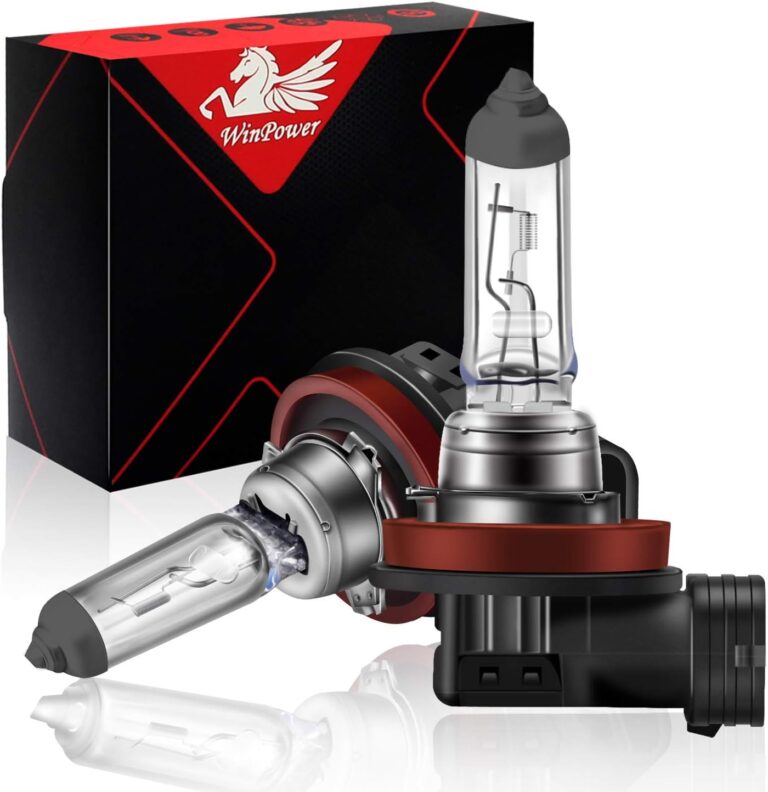
For lighting and bulbs, our site has product pages such as the WinPower H13/9008 bulb review for reference; verify compatibility with your headlamp assembly before purchase: WinPower H13 9008 Halogen Bulb Review.
Comfort and control upgrades that make riding better
Once safety basics are covered, comfort and control upgrades usually give the best day-to-day improvement:
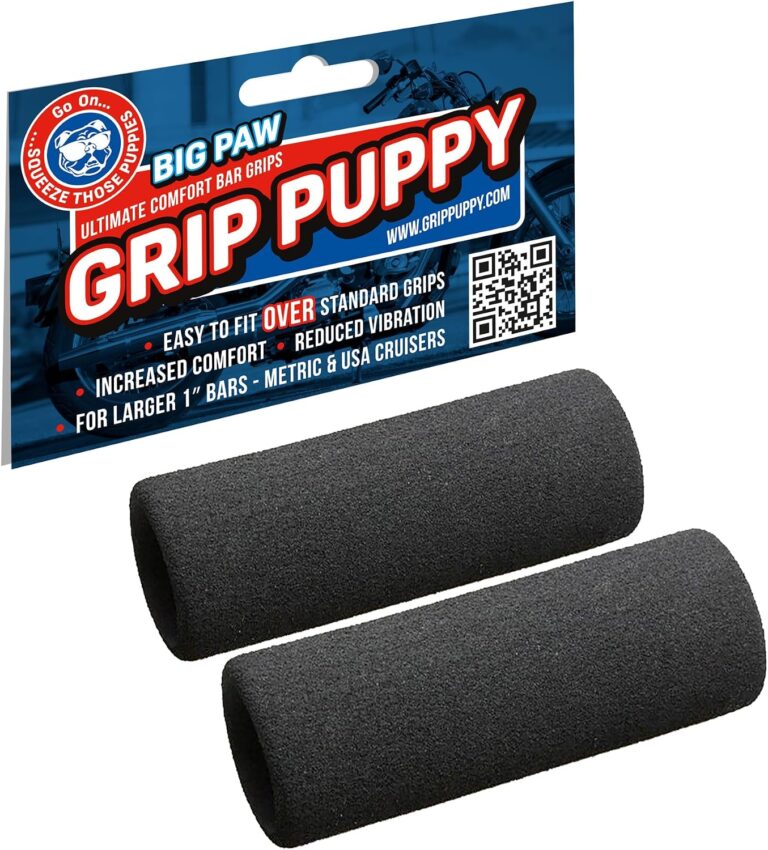
- Grips: Softer or shaped grips reduce vibration and hand fatigue on long rides. Make sure you select the correct diameter (e.g., 7/8″ or 22mm vs 1″/24mm) and that the grips are compatible with bar-end weights and throttle sleeves. We provide a product link for typical grip options if you want to explore designs: Comfort handlebar grips.
- Windscreens and deflectors: Reduce helmet buffeting and wind noise for touring. Small clip-on deflectors help commuter helmets; larger touring screens direct airflow away from chest. See our adjustable clip deflector review for examples: Motoforti 28.5cm Windshield Review. Verify mounting method on your bike—some require brackets or a specific fairing cut.
- Seats and seating position: A better seat cushion or a slight change to handlebar or peg position can dramatically reduce fatigue. Understand that aftermarket seats may change reach or rake, so test or verify return policies where possible.
- Heated gear and windproof layers: For riders in colder climates, heated grips, vests and liner jackets can extend comfortable riding season. Check electrical draw and fuse ratings before adding heated accessories to avoid overtaxing the charging system.
Luggage, mounting systems and touring essentials
Carrying capacity defines what kind of trips you can do. Choose luggage that matches typical rides:
- Tank bags — Great for daily essentials and navigation devices. Magnetic tank bags are convenient but check that the tank surface and bag magnets won’t scratch paint; use a tank pad where needed.
- Tail and tail-mounted luggage — Many tail bags attach with straps. Avoid obstructing the pillion seat or tail lights and check straps won’t chafe paint or interfere with suspension travel.
- Saddlebags and panniers — Hard panniers are secure and weatherproof but heavier. Soft saddlebags are lighter and compressible for variable loads. Mounting racks should be rated for the loads you plan to carry and professionally fitted when they require frame modifications.
- Waterproofing and organization — Use dry bags, compression sacks or waterproof liners for electronics and clothing. That keeps gear protected and simplifies packing/unpacking on multi-day rides.
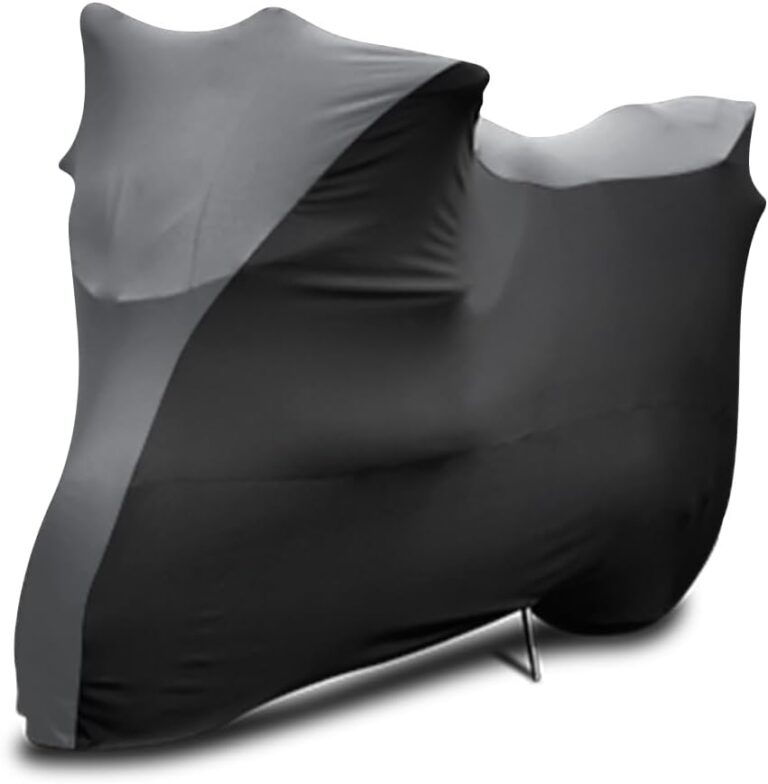
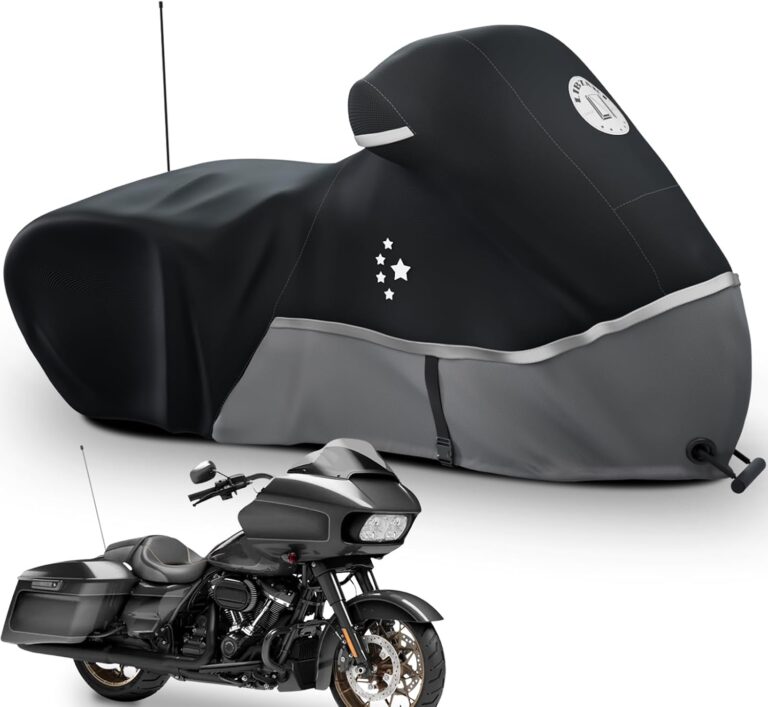
For general outdoor protection when the bike is parked, consider a purpose-built cover. Our site has reviews of touring-fit covers and lighter waterproof options if you want product examples: KEMIMOTO Heavy Duty Cover Review and Waterproof Outdoor Cover.
Security: locks, alarms and physical deterrence
Vehicle security reduces the risk of theft and theft-related damage. Think layers of deterrence:
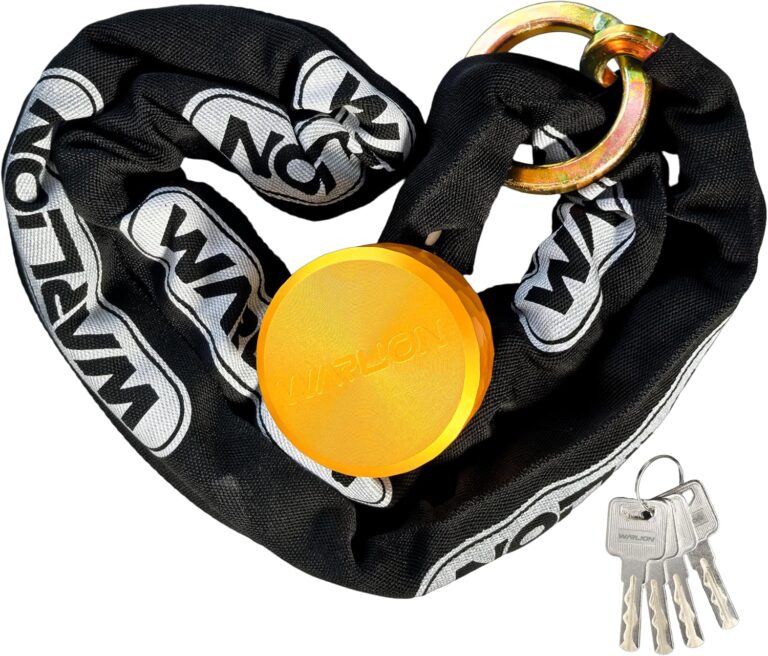
- Disc locks and ground anchors: Compact disc locks are easy to carry and effective for quick stops. When choosing a disc lock, ensure it fits your rotor and that you use a reminder cable or other visual cue to avoid riding off with the lock attached. For more robust protection, ground anchors and chains secure the bike to immovable objects.
- Alarms and trackers: Audible alarms attract attention during tampering. GPS trackers provide recovery options if the bike is stolen; battery-backed trackers are more reliable than those that rely solely on an external power supply.
- Parking strategy: Use well-lit, visible parking areas and avoid leaving bikes unattended in isolated locations. A locked disc lock plus chained ground anchor dramatically raises the effort required to steal a bike.
For a compact, commonly used option, see examples of disc locks we’ve listed: Kryptonite Keeper 5s Disc Lock. Always verify rotor fit and clearance before purchase.
Lighting and electronics: visibility, navigation and electrical load
Lighting and electronics improve visibility and convenience, but they also increase electrical load and complexity:
- Lighting upgrades: Brighter headlights, supplemental running lights and modern LED turn signals increase conspicuity. Confirm that replacements are legal for road use in your jurisdiction and that the new lights fit your housings and connectors. Our site includes LED accent kits and bulbs as examples to explore: RGB LED Kit and WinPower H13 Bulb.
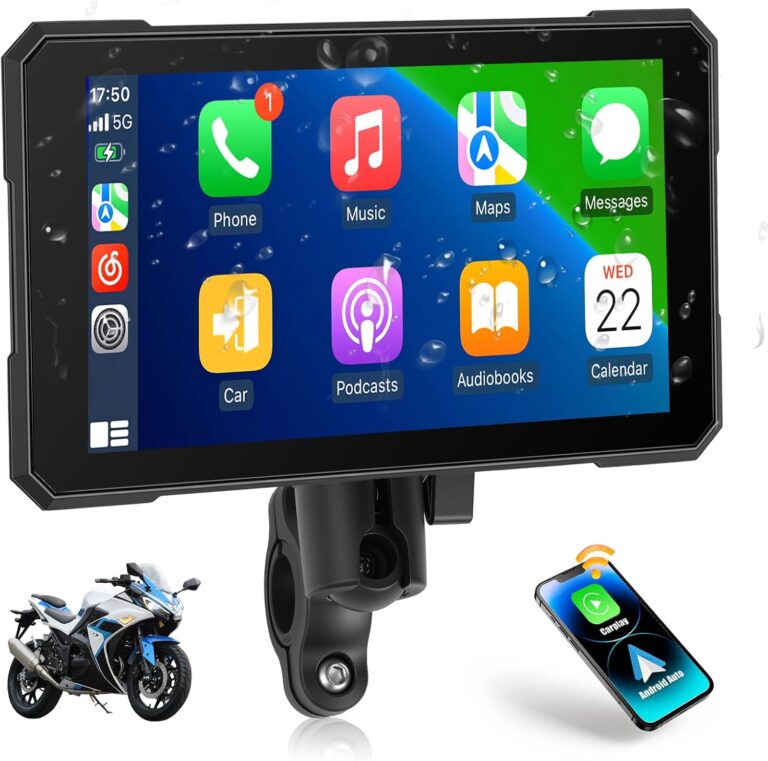
- Navigation and connectivity: Bluetooth headsets, dedicated GPS and motorcycle CarPlay units help with navigation and phone integration. Portable CarPlay/Android Auto devices are available; verify weather resistance, mounting options and power draw before buying. See an example product we list for reference: Wireless CarPlay GPS.
- Electrical system considerations: Calculate expected draw from added electronics (lights, heated gear, devices). If you exceed the charging system’s capacity you risk a discharged battery or burned fuses. If you don’t have the alternator output documented, consult your dealer or service manual before adding high-draw accessories. Use proper fused circuits, relays for heavy loads, and quality connectors to prevent heat buildup and corrosion.
Maintenance, protection and small but essential accessories
Routine maintenance and simple protection accessories extend component life and reduce frustration:
- Battery tenders and chargers: For bikes that sit often, a quality charger/maintainer prevents battery sulfation. Choose a charger with a storage/maintenance mode rather than chargers that constantly apply high current.
- Basic tool kit and tire repair: Carry tools matched to your bike (socket sizes, owner’s manual torque specs) and a compact tire repair kit or CO2 cartridge set if you ride remote roads regularly.
- Protective covers and storage: Use breathable covers for indoor storage and waterproof covers with lock-holes for outdoor security. Our cover pages show common options and fits: Waterproof Outdoor Cover and KEMIMOTO Touring Fit Cover. Verify material and tie-down points for your local conditions.
- Routine consumables: Quality chain lube, coolant and brake fluid matched to your motorcycle’s spec improve longevity. Always use fluids and torque settings specified by the manufacturer.
Installation, fitment and legal considerations
Installation mistakes cause more problems than they solve. Follow these practical rules:
- Always verify fitment: Use part numbers, fitment guides or your dealer to confirm an accessory fits your exact model/year. Don’t assume similar-looking bikes share the same mounts.
- Respect torque and mounting points: Over-torquing fasteners can strip threads or warp parts; under-torquing can allow fasteners to loosen. If the accessory affects structural components or crash protection, preferably have it installed by a professional.
- Electrical wiring best practices: Use proper gauge wire, fused feeds, relays for high-current devices and insulated connectors. Protect wiring from heat and moving parts. If you don’t know your alternator’s rated output or fuse locations, consult the service manual rather than guessing.
- Legal compliance: Some lighting mods, tints, or audible alarms may be illegal in certain areas. Check local laws for lighting color and brightness, license plate illumination and sound limits before modifying.
If an accessory affects brakes, steering, suspension or lighting, and you’re not confident in the installation process, schedule a professional install at a reputable shop. That reduces risk and protects warranties where applicable.
How to prioritize purchases and an action checklist
Most riders can’t buy everything at once. Prioritize using a short-term vs long-term plan:
- Immediate (next ride): Helmet, gloves, basic visibility (reflective vest), working lights and secure parking method.
- Short term (next month): Luggage or secure storage for daily needs, quality grips or a windscreen if rides are long and tiring, a disc lock for quick stops.
- Medium term (1–6 months): Better seat, professional installation of racks or wiring-intensive electronics, upgraded tires or suspension work if your riding has changed.
- Long term (6–12 months): Major comfort overhauls (aftermarket fairings, major electrical rewiring, hard panniers and ground anchors), and less-critical cosmetic upgrades.
Budget for installation and any necessary supporting parts (mounts, brackets, fuses, relays). If in doubt, ask your dealer or a trusted mechanic about fitment and electrical load before buying.