RiderInstinct Editorial Team
Why motorcycle pants matter — a practical decision framework
Pants are the foundation of lower-body protection when you ride. They defend against sliding abrasion, impacts to knees and hips, and the elements (cold, wind, rain). Choosing the right pair requires balancing three goals: minimize injury risk, maintain comfort for the ride duration, and match weather and use conditions.
Start with this decision framework before you browse models:
- Primary use: commuting, sport/track, adventure, touring or off-road—each has different priorities.
- Protection level: do you want maximum abrasion resistance (e.g., leather or multi-layer textile), or is limited protection acceptable for short urban hops?
- Weather: will you ride through rain and cold regularly, or is dry weather most likely?
- Comfort and mobility: long rides need better fit, venting and flexible panels; sport riders need close fit and pre-curved legs.
Thinking through these trade-offs first avoids the common mistakes of buying a jacket-paired pant that’s uncomfortable in traffic or a waterproof shell that offers no abrasion protection. Later sections walk through materials, armor, fit and weatherproofing so you can make an informed choice suited to your ride profile.
Materials and construction: trade-offs between leather, textile and reinforced denim
The base material determines how your pants perform in a slide and how comfortable they are off the bike. The three main families are leather, technical textile and reinforced denim.
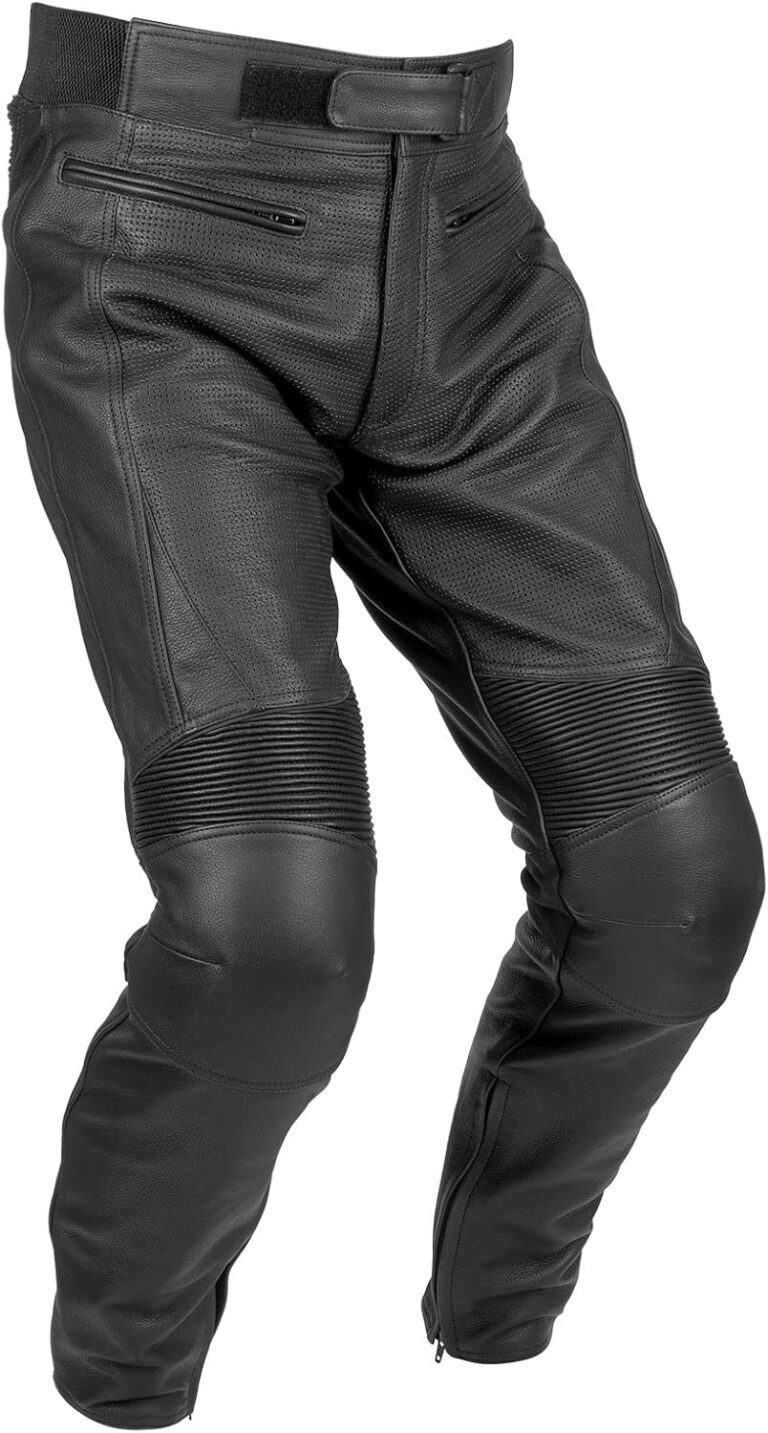
- Full grain leather: Excellent abrasion resistance and often the benchmark for sliding protection. It tends to be heavier and less breathable, and requires more care (cleaning and conditioning).
- Technical textile (Cordura, ballistic nylon, waxed textiles): Modern textiles use high-denier fibers, often in multiple layers or with built-in reinforcements. They can offer excellent protection while allowing for integrated waterproof membranes and vents. Textiles typically dry faster and accept pockets/vent placements easier than leather.
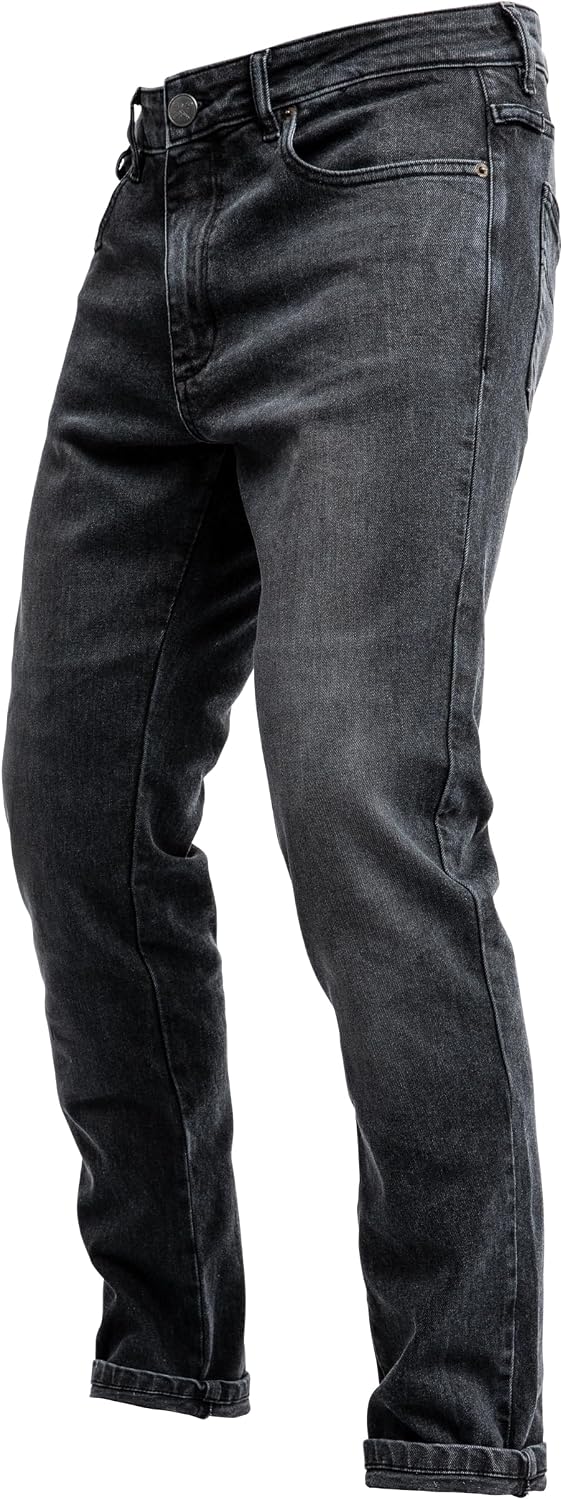
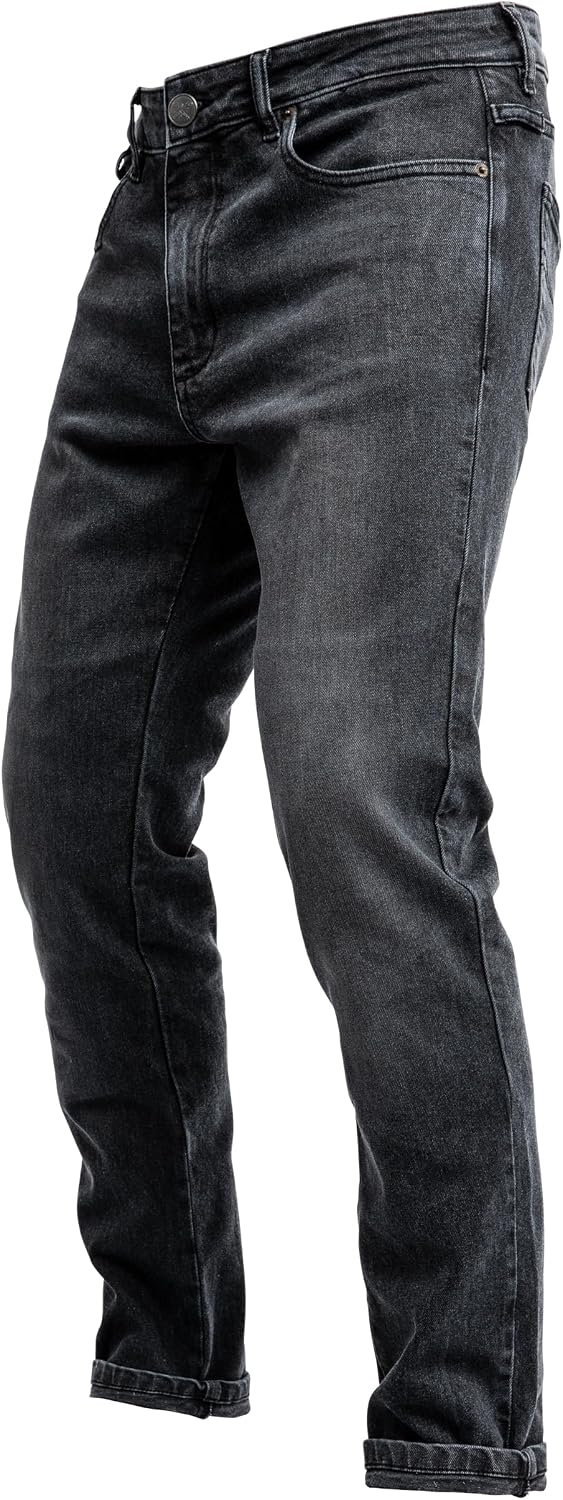
- Reinforced denim: Denim with internal aramid or high-strength fibers (e.g., Kevlar/other aramids) gives a casual look with improved abrasion resistance over plain jeans. It’s lighter and more social off the bike but generally won’t match leather or heavy textile in long slides.
Construction details to check:
- Panel layout: fewer seams in high-wear zones is better; double- or triple-stitched seams add durability.
- Reinforcements: knee and seat panels with additional layers or different fabrics are common.
- Layering approach: some pants are monolayer (single thick panel), others are laminated or use removable liners; each affects comfort and repairability.
Which material is right depends on your priorities. For aggressive street riding, leather or heavy textile typically gives the best slide protection. For urban commuting and weekend rides a reinforced denim or lighter textile can balance protection with everyday wearability.
Armor and impact protection: what to expect and how to verify fit
Armor reduces impact forces on knees, hips and sometimes thighs. Standard motorcycle armor is often sold as removable pads inserted into pockets at the knee and hip.
Key considerations:
- Armor standards: Look for CE-rated armor. CE Level 1 and Level 2 are common classifications—Level 2 offers higher impact absorption where specified. Always read the manufacturer’s documentation to confirm the rating and the testing standard used.
- Coverage: Knee and hip protection is the minimum. Some pants add thigh and shin coverage or allow accessory armor inserts.
- Shape and retention: Armor must stay positioned during movement or a slide. Check for pockets with straps or sleeves that hold pads at the right height when you sit or crouch.
- Thickness vs mobility: Thicker armor absorbs more energy but can reduce comfort and range of motion. Decide whether bulkier protection is acceptable for your riding style.
Fit the pants and then assume a riding position when checking where the armor sits. The protective pad should cover the joint through movement. If the manufacturer doesn’t publish armor specs or test standards, ask them or your retailer. For any safety-critical values, verify with the motorcycle or product manufacturer documentation rather than relying on general claims.
Fit, ergonomics and practical riding details
A correctly fitted pant is as important as the materials and armor. Poor fit lets armor move out of place, creates wind drag, and causes discomfort on long rides.
Fit items to check:
- Riding posture: Try the pants standing and seated on your bike. Sport riders should check for pre-curved legs and no bunching behind the knees; upright and cruiser riders should ensure waist and hip adjustment works with your seating position.
- Waist and length adjustments: Look for adjustable straps, zippers, or belts that keep pants snug at the waist and prevent upward pull at speed. Leg length should reach the top of your boot without excess material pooling.
- Belt loops and jacket connection: A jacket-to-pant zipper or a belt loop position for connecting with a jacket is valuable for preventing exposure while sliding.
- Pockets and access: For commuting or touring, useful pockets (secured zippers) matter. For track use, less pocket bulk and a tighter fit are acceptable.
Remember: a pant that fits well off the bike can still shift once you’re riding. Some riders size down for a tighter protective fit—consult manufacturer sizing charts and try on with base layers you’ll normally wear. If in doubt, test with armor installed and sit on the bike before you buy.
Weatherproofing, layering and over-pants
Weather decisions are often the deciding factor between textile and leather or whether to buy a waterproof pant. There are three common approaches:
- Built-in membrane (laminated or bonded): Pants with a waterproof membrane (e.g., proprietary or branded membranes like Gore-Tex) keep water out while allowing some breathability. These work well if you ride often in the wet.
- Removable thermal liners: Useful for seasonal versatility—remove the liner in summer for cooler airflow and reinsert for colder rides.
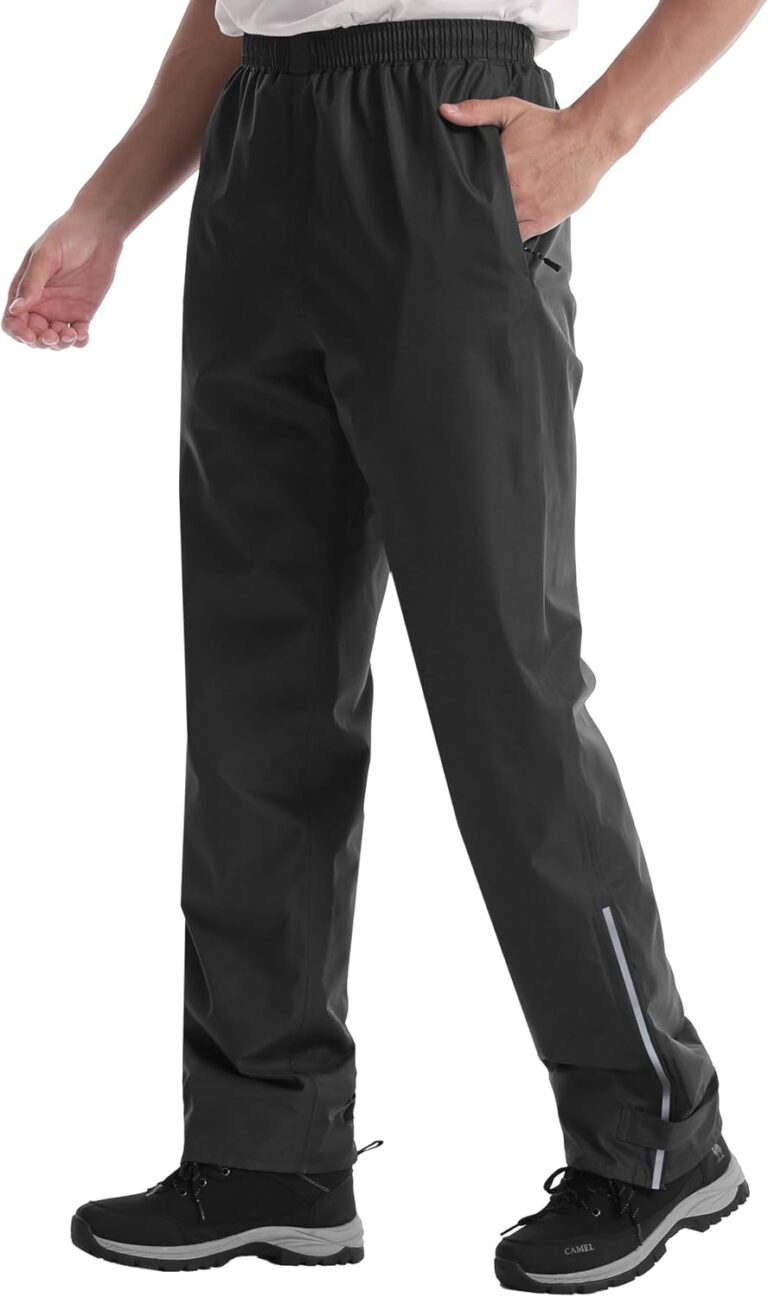
- Over-pants/rain trousers: Lightweight waterproof over-pants are practical backup gear for sudden storms. They’re compact and work over street clothing or motorcycle pants. They generally do not offer much abrasion protection on their own and should be used as weather protection rather than protective armor.
If you consider over-pants, keep them accessible and practice fitting them over boots and gloves—wet weather stops are easier when you can put them on quickly. For examples of budget, packable rain over-pants, RiderInstinct has coverage of options like the iCreek Men’s Rain Pants; see our review for a practical look at packable waterproof trousers.
Breathability trade-offs: waterproof membranes reduce soak-through but can trap heat; vents and removable liners are the usual way to manage that. If you frequently ride in mixed conditions, prioritize modular systems: a protective outer combined with a removable liner and vents gives the most versatility.
Choosing pants by riding style: what matters for sport, adventure, touring and commuting
Your riding style defines the feature set that matters most:
- Sport and track: Prioritize abrasion-resistant materials and CE Level 2 armor where available, a snug fit, and minimal flapping at speed. Consider pants with hip and knee sliders if you plan track days. Venting is still important for comfort, but protection is the primary focus.
- Adventure and dual-sport: Look for durable textiles with strong reinforcements, large vents for airflow at low speeds, and waterproof liners or detachable membranes for remote touring. Consider pants that allow for movement when standing on pegs and that pair with knee braces if needed.
- Touring: Comfort and weather modularity are key—good ventilation, removable liners, and pockets for long rides. Durable textiles with built-in armor provide a practical balance.
- Commuting and urban: Reinforced denim or lighter textiles can be acceptable if your rides are short and low-risk, but always ensure knee and hip protection. High-visibility panels or reflective strips help in low-light urban traffic.
For riders seeking casual looks with protection, motorcycle-specific jeans (reinforced with aramid) combine everyday style with better abrasion resistance. RiderInstinct’s reviews of products like the John Doe Pioneer Monolayer XTM motorcycle jeans cover real-world fit and features—refer to our product pages for more detail on particular models.
Care, inspection and when to replace pants or armor
Regular care extends life and maintains protection. Follow the manufacturer’s cleaning instructions—some fabrics tolerate machine washing, others require specialist cleaning. Key maintenance steps:
- Inspect seams and high-wear zones for fraying or stitching failure.
- Check armor pockets and straps for wear and ensure armor remains shape-stable.
- Replace waterproof membranes if they delaminate or the breathability drops markedly (symptoms include persistent internal dampness even when dry outside).
- After any crash, replace or thoroughly inspect armor and replace any pant with significant abrasion or structural damage—do not attempt to repair structural failures as a long-term solution for protection-critical areas.
Manufacturers sometimes specify service life for membranes or armor—if you can’t find the information, ask the manufacturer. Never assume protective capability after a substantial impact; armor can look intact but lose energy-absorbing properties.
Shopping and fitting tips — practical steps to a safer purchase
Use these steps when buying pants online or in-store:
- Define your priorities: protection vs comfort vs weather readiness based on the earlier decision framework.
- Check the specs: materials, armor rating (CE level if present), membrane type, and warranty. If armor rating or construction detail is missing, ask the retailer or manufacturer.
- Try them on with layers: wear the base layers and boots you’ll use with the pants. Install the armor and sit on your bike to confirm alignment.
- Inspect pockets and adjustments: verify the armor pockets hold pads securely; test waist/leg adjusters and zips for durability.
- Read reviews and product tests: RiderInstinct product reviews can help with fit and real-world performance impressions. For general guidance on choosing pants by riding style, see our companion buying guide “How to Choose the Right Pants for Your Riding Style.”
Buying online: ensure free returns or exchanges in case the fit or armor placement is wrong. Some brands size differently between styles—measure and compare to the brand’s sizing chart rather than assuming your street pant size will match.
Common maintenance and usage mistakes to avoid
Even the best pants won’t protect you if misused or poorly maintained. Avoid these common traps:
- Assuming rain gear equals protection: Waterproof over-trousers are for weather, not abrasion resistance. They’re a great emergency tool, but shouldn’t replace protective pants.
- Poor armor placement: Buying without trying on can leave pads offset from your knees or hips—this greatly reduces impact protection.
- Ignoring damaged gear after a crash: Structural failures and hidden armor damage are common after impacts—replace, don’t patch, critical components.
- Choosing style over safety: Fashionable jeans without reinforced panels may look good but offer little protection—confirm internal reinforcements and armor pockets.
- Skipping ventilation planning: In hot climates, pants without vents or breathable membranes can make you dehydrated and distracted; choose venting appropriate to your climate.