RiderInstinct Editorial Team
Why rain gear matters (beyond keeping dry)
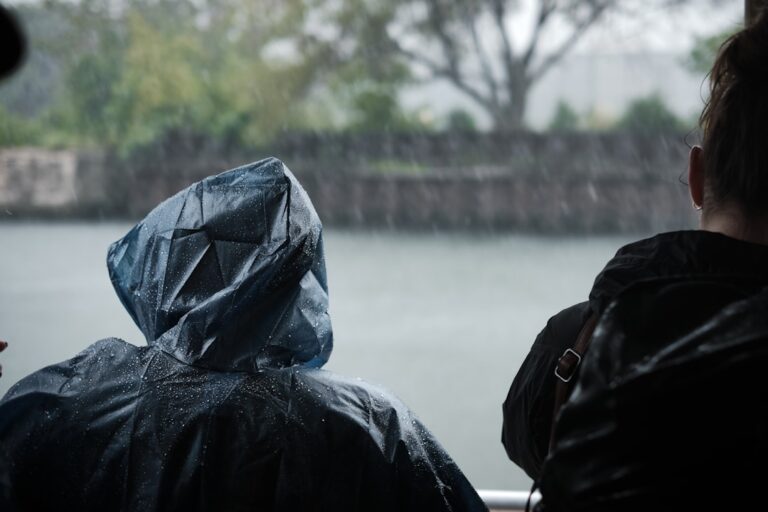
Riding in wet weather adds several hazards: reduced traction, longer stopping distances, cold and distraction from being soaked, and lower visibility for you and other road users. Rain gear addresses more than comfort — it helps you stay focused, maintain body temperature, and stay visible. A rider who is cold or continually adjusting clothing is a safety risk.
That said, rain gear is not a panacea. Wind-driven spray, soaked-through seams, or poor fit can still let water in. The realistic goal is to reduce exposure and manage conditions so you can ride safely rather than trying to keep perfectly dry at all costs.
A practical decision framework: match gear to risk and ride profile
Start by asking three practical questions before picking rain gear:
- How often and how far do I ride in the wet? Frequent long-distance riders should prioritize breathability and fit so condensation doesn’t soak layers. Short-commute riders might prefer simpler, highly waterproof options for quick protection.
- What speeds and conditions do I face? Highway riders commonly need windproof seams and secure closures. Urban riders face splash and stop-start traffic; reflectivity matters more.
- How does rain gear integrate with my protective kit? You should be able to use rain gear without compromising motorcycle armor coverage or helmet fit.
Use your answers to these questions to choose between categories in the next section — and remember that you can combine approaches (e.g., a breathable jacket plus waterproof overpants).
Types of rain gear and the trade-offs
Common options are one-piece suits, two-piece suits (jacket + pants), overpants or ponchos, and rain-specific boots and gloves. Each has practical trade-offs:
- One-piece suits — Easier to get on and usually simpler to seal against splashes. They can be bulkier and less convenient for short stops (you must remove the whole suit to access layers). One-piece suits can be good for touring and heavy rain but must fit well over any protective layers.
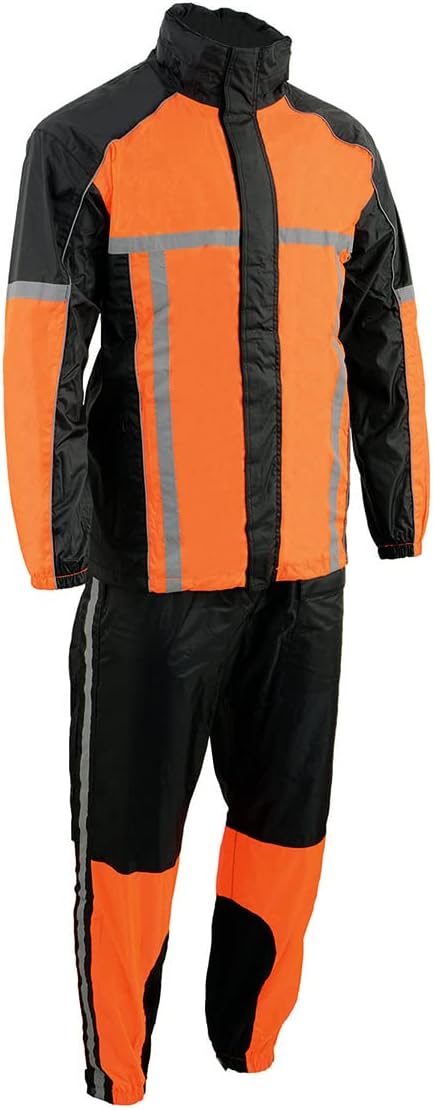
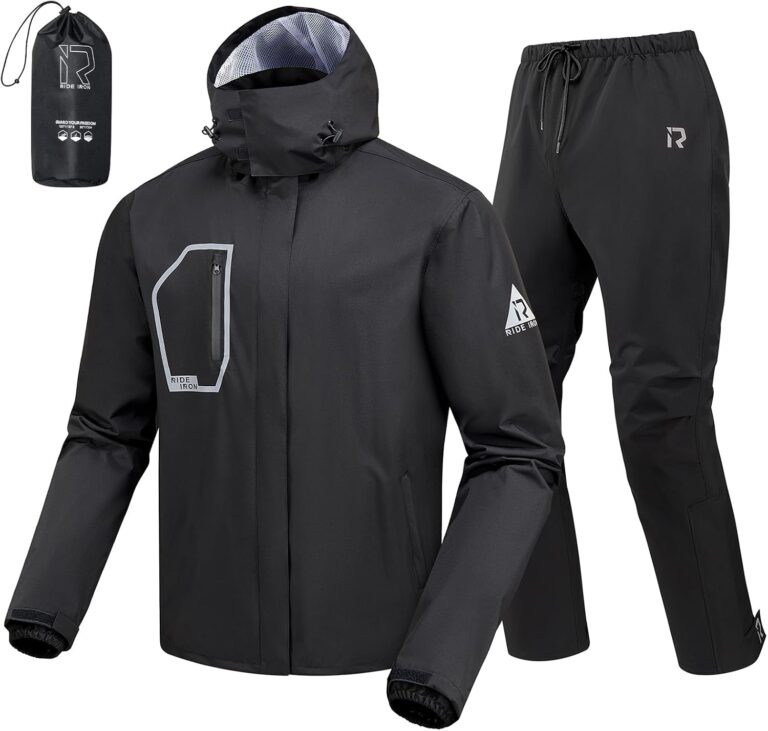
- Two-piece suits — More versatile for mixed conditions and easier to ventilate. Jackets can be used alone when rain is light, and pants can be removed quickly. They also allow a better fit over armor in many cases.
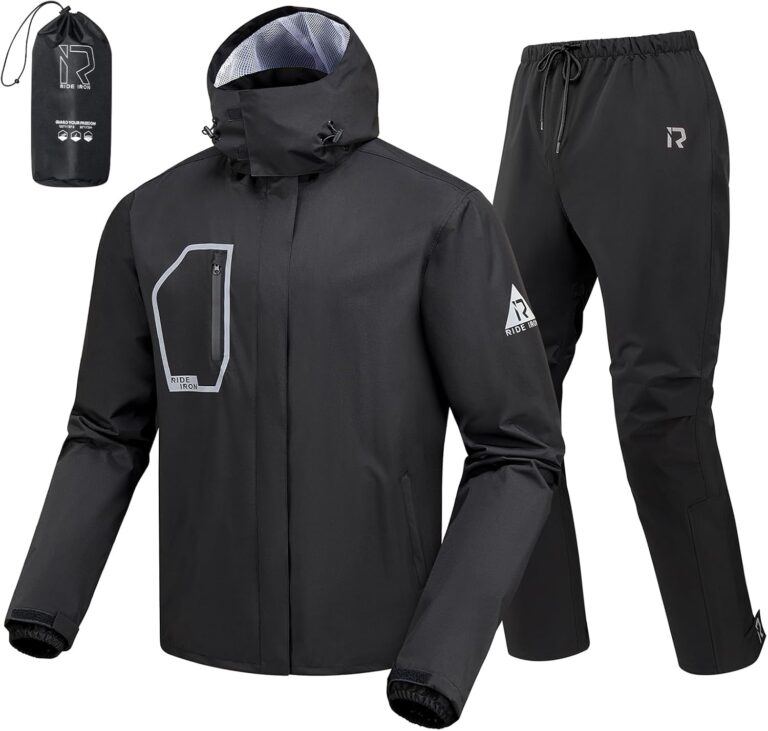
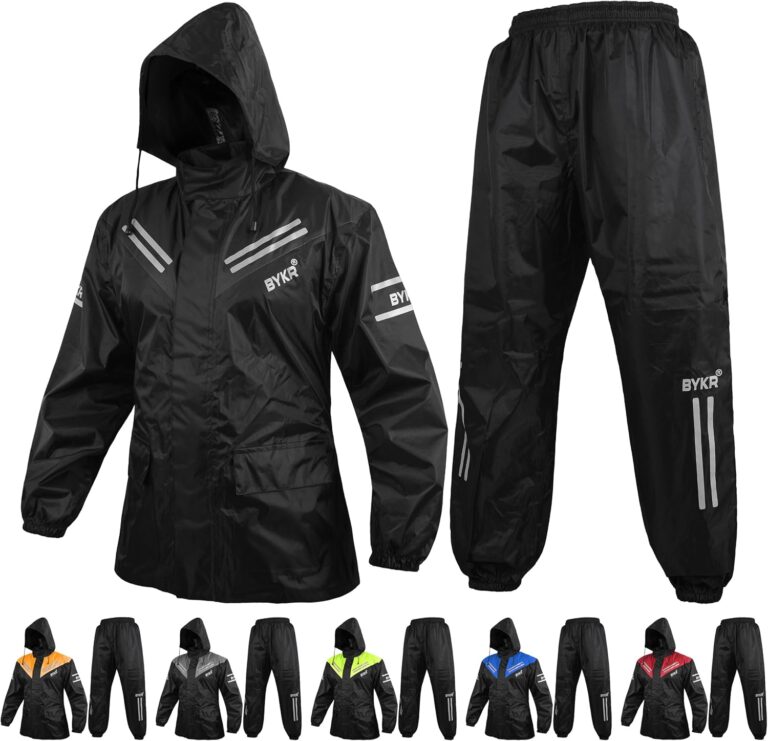
- Overpants and over-jackets — Lightweight, compact, and great for commuting. They’re intended to go over regular riding gear but may flap at speed and can let water enter at the waist or cuffs if not secured properly.
- Ponchos — Very quick to deploy and often good for low-speed, urban riding or when you need to cover luggage. They can be hazardous at freeway speeds because of flapping and potential snag points.
- Boot covers and waterproof gloves — Often overlooked but essential. Cold, wet feet reduce control and increase fatigue. Glove performance in rain can be make-or-break for safety; look for secure closures and tactile control.
Choose the form factor that suits how you ride most of the time rather than the rarest extreme scenario. You can keep a compact over-suit for unexpected downpours while using a more comfortable, breathable suit for planned wet-weather travel.
Understanding waterproofing vs breathability: materials and real-world trade-offs
Manufacturers use different materials and constructions: coated fabrics (PVC, PU), membranes (e.g., PTFE-type membranes like Gore-Tex), or laminated multi-layer constructions. Each approach balances waterproofness, breathability, weight and durability.
- Coated fabrics (PVC/PU) — Very waterproof and often affordable. They tend to be less breathable and can trap sweat on longer rides, which leads to discomfort and wetness from condensation even though external rain is blocked.
- Membrane laminates — Designed to let moisture vapor escape while stopping liquid water. They usually offer better comfort on long rides but at higher cost and potentially more demanding care (e.g., DWR maintenance).
- Hybrid constructions — Some gear uses breathable membranes in the body and more rugged coatings in high-wear areas. This is a practical compromise for many riders.
Be cautious with single-number “waterproof ratings” (mm) and breathability metrics (g/m²/24h). They are measured in laboratory conditions and don’t always translate directly to on-bike performance. Use them as a relative indicator, and verify the manufacturer’s claims and intended use cases (commute vs. touring) when choosing gear.
Fit, layering and compatibility with protective gear
Fit is one of the most important but least glamorous aspects of rain gear. A poorly fitting suit will let water in, bind over armor, or restrict movement. Key considerations:
- Fit over armor — Try rain jackets and pants over your normal armored jacket and pants to confirm freedom of movement. Check shoulder, elbow, hip and knee alignment with the armor in place.
- Room for layers — In colder rain you’ll want insulating layers. Rain gear should allow for those layers without pulling seams tight or raising the collar so it interferes with your helmet.
- Adjustability — Cuffs, waistband, leg closures and collar adjustments let you fine-tune the seal and reduce flapping. Zippers and storm flaps should be easy to operate with gloved hands.
- Entry and exit — Consider how fast you can put gear on or remove it when taking breaks. Two-piece suits and over-suits win for convenience in urban stops; one-piece suits can be quicker against heavy rain.
Also confirm that rain gear doesn’t block access to key controls (e.g., hand warmers, tank bag straps, or pannier buckles) and that pant cuffs won’t snag on pegs or chain guards.
Visibility, color choices and reflective details
Wet weather reduces visibility — not just because of rain but because headlights are diffused by spray and windscreen glare. High-visibility colors (neon yellow, orange) and reflective panels can make a significant difference. Consider the following:
- Choose at least some high-visibility color on the torso and arms; movement and contrast attract driver attention.
- Reflective piping and large reflective panels on the back and sleeves improve detection at night or in low light.
- Don’t rely solely on a small logo or piping — larger areas of contrast are more effective.
Storage solutions (e.g., waterproof pockets, map windows) are useful, but make sure they don’t compromise reflectivity or allow water to pool. If visibility is a main priority, seek gear designed with commuting in mind.
Practical riding technique for wet weather
Clothing is only one part of riding safely in the rain. Adjust technique to compensate for surface and traction changes:
- Slow in, fast out — Brake earlier and more progressively. Use engine braking and downshift smoothly to reduce reliance on front-only braking.
- Avoid painted lines, manhole covers, and metal grates — These surfaces are more slippery when wet. Ride in a line where the road texture is best.
- Be gentle with inputs — Smooth throttle, progressive braking, and careful steering reduce the chance of a traction loss.
- Watch for standing water — Hydroplaning is rare on motorcycles but can occur; treat deep puddles as hazards and avoid sudden direction changes while passing through them.
- Keep visibility clear — Use well-maintained visor treatment, and consider an anti-fog insert or pinlock for your helmet. Wipe your visor at stops, and use a visor cloth rather than your jacket sleeve which may be dirty or oily.
Finally, accept slower progress. Wet conditions often lengthen trip times; build that time into your planning.
Care, maintenance and storage: keep performance reliable
Rain gear works best when maintained. Common maintenance tasks that keep gear performing longer include:
- Dry thoroughly — Always dry gear completely after use. Hang it open in a ventilated area away from direct heat (which can damage membranes and coatings).
- Clean before reproofing — Dirt and oils reduce the effectiveness of durable water repellent (DWR). Follow manufacturer cleaning instructions; often a gentle technical wash is recommended.
- Reproof DWR when needed — If water stops beading on the outer fabric, a reproofing spray or wash-in product usually restores performance. Follow the brand instructions and test before a long ride.
- Inspect seams and zippers — Check for seam tape lifting and damaged zip sliders. Seams and zips are common failure points; many manufacturers offer repair services or sealant products for small issues.
- Store loosely — Don’t squash your rain suit tightly folded in a damp bag. Store clean and dry on a hanger so layers don’t stick together or grow mildew.
When in doubt, consult the manufacturer’s care instructions for your specific jacket, pant or suit. If a membrane is compromised, professional repair often restores function better than home fixes.
Practical buying and selection tips (before you buy)
Before purchasing, follow a short checklist of actions to avoid buyer’s regret:
- Try gear on over your usual protective layers — Confirm mobility and that armor stays in the proper position.
- Check closure quality — Zippers, storm flaps and cuff closures must be robust and easy to operate with gloves.
- Evaluate packability — If you commute, compactness may be a priority. If you tour, weight and breathability may matter more.
- Consider visibility — If commuting in low light is common, prioritize bright colors and reflective panels.
- Ask about warranty and repairs — Long warranties and repair options indicate a manufacturer standing behind the product.
If you want more detailed buying guidance specific to your riding style, RiderInstinct’s guide “How to Choose the Right Rain Gear for Your Riding Style” can help you match options to your needs.
When and how to carry backup rain solutions
Even the best rain gear can be forgotten or get damaged. Practical backup options include:
- Compact over-suit — A lightweight, waterproof suit you can stash in a tank bag or under the seat is invaluable for unexpected showers.
- Waterproof phone pouch — Keeps navigation usable in heavy rain and prevents electronics damage.
- Spare socks and a towel — Changing into dry socks at breaks helps maintain control and comfort.
If you do store a lightweight suit as a backup, make sure it is easy to put on and secure at speed to avoid flapping. For examples of compact suits and rain footwear, check manufacturer listings and confirm fit and material claims from the product pages.
Examples of popular entry-level solutions are available from manufacturers like Nelson Rigg and KEMIMOTO — refer to the product pages for current models and specifications before buying.
Nelson Rigg Stormrider Rain Suit • KEMIMOTO rain suit examples