RiderInstinct Editorial Team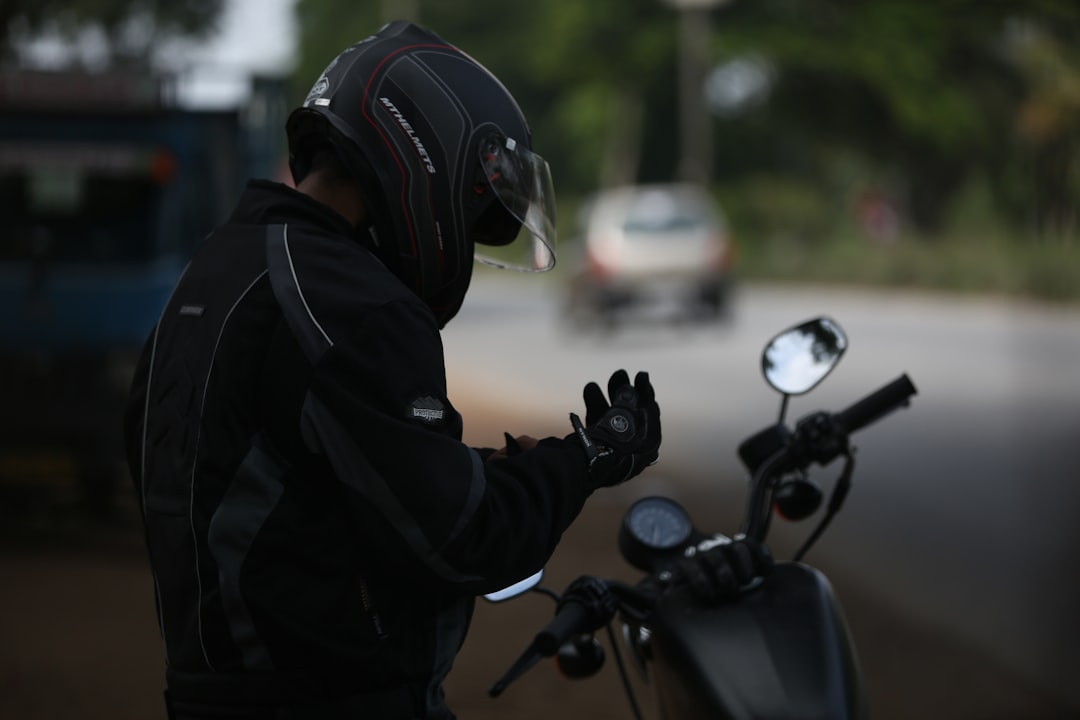
Why a motorcycle jacket is more than just 'style'
A motorcycle jacket is your first line of defense in a crash and a critical comfort tool in everyday rides. It must manage three core tasks: reduce abrasion, absorb impact and protect you from the elements. Unlike everyday outerwear, a proper motorcycle jacket integrates abrasion‑resistant materials, impact armor, and ergonomic design to maintain protection when you’re moving or sliding.
Choosing the right jacket requires understanding trade-offs: heavier materials and thicker armor increase protection but reduce comfort and ventilation; high-visibility panels improve conspicuity but may not suit every aesthetic; waterproof membranes keep you dry but can reduce breathability. The right decision is the one that gives you reliable protection while matching how, where and when you ride.
Before shopping, decide what you need from the jacket: daily commuter protection, multi-day touring comfort, maximum abrasion resistance for track days, or weather versatility. That decision shapes material choice, armor level, and features.
Materials and construction: textiles, leather and what they mean
Jackets are primarily built from three material families: woven textiles (Cordura, 600D and higher deniers), mesh and leather. Each has different strengths.
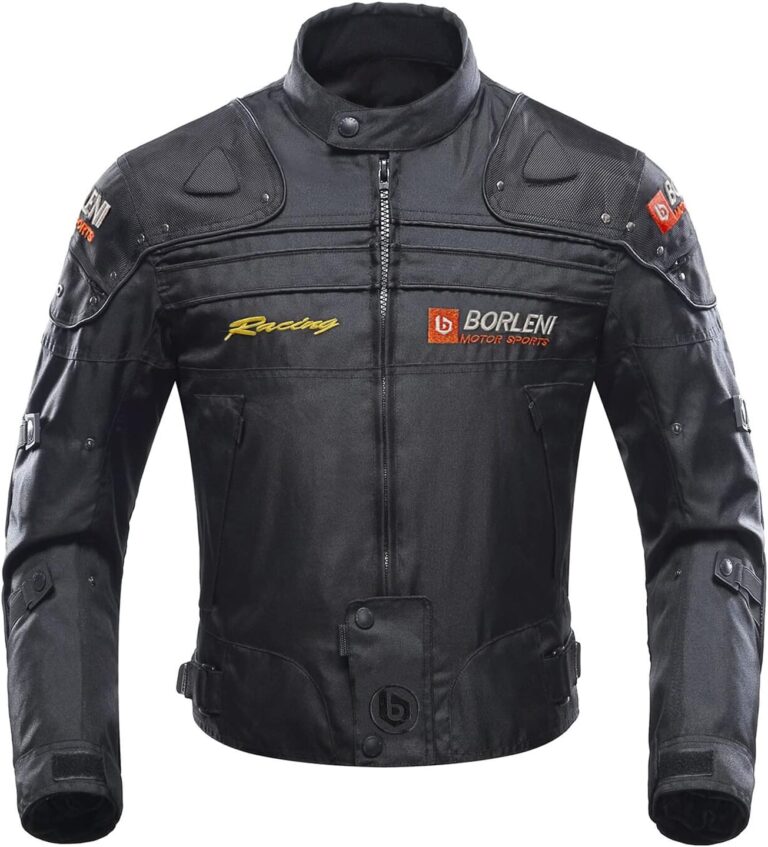
- Textile (Cordura, 600D/1000D, Oxford fabrics): Generally water-resistant and abrasion-resistant when woven at higher deniers. Textile jackets often include waterproof membranes or removable liners and multiple adjustment points. They are versatile for commuting and touring.
- Mesh: High airflow for hot weather. Mesh jackets prioritise ventilation and light weight, but rely on integrated abrasion panels or removable liners for extended protection. Use mesh in hot climates or layered over abrasion-resistant base layers.
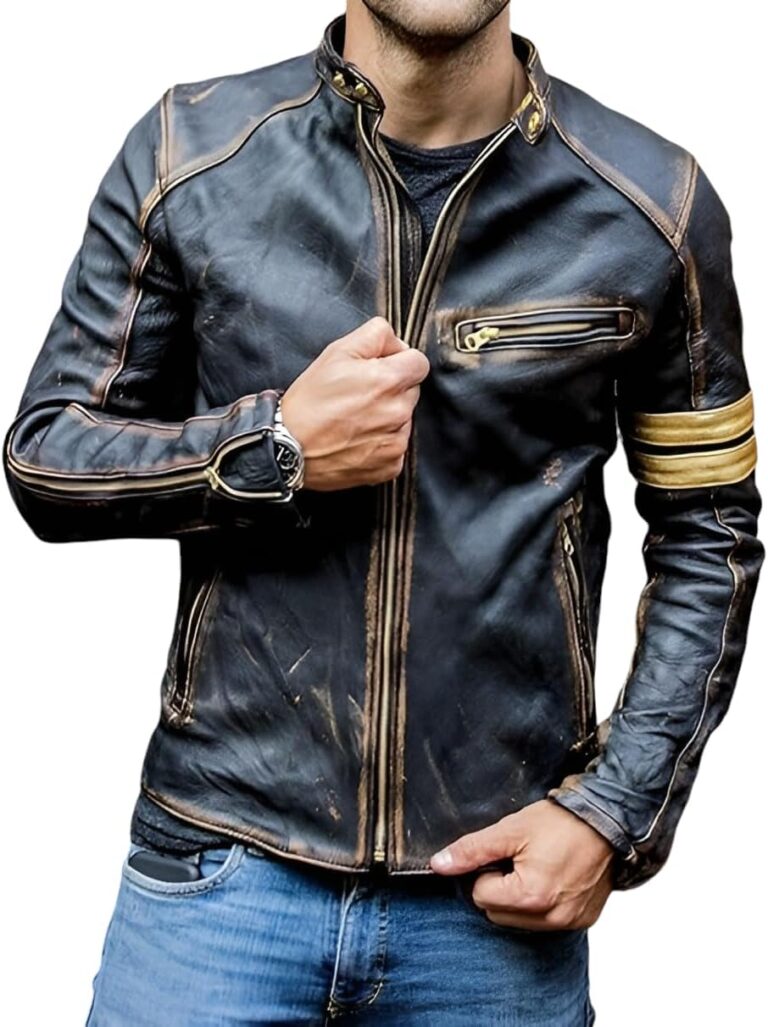
- Leather: Offers excellent abrasion resistance when thick and properly constructed. Cowhide is common for heavy-duty protection; lambskin is softer and more comfortable but typically thinner. Leather jackets can be heavy and require care to remain weatherproof.
Construction details matter: double or triple stitching in high-stress areas, bartacks at seam ends, and reinforced panels in shoulders, elbows and the back are important. For textile jackets, verify the denier rating where available; higher denier typically increases abrasion resistance but also weight and stiffness. If a manufacturer doesn’t publish protective material specs, ask for them or consider another option.
Protection features: armor, coverage and certifications
Impact protection comes from armor placed at shoulders, elbows and back — sometimes chest and hips. Look for CE-rated armor: the EN 1621 series is the European standard for motorcycle impact protectors, with EN 1621-1 covering limb protectors (shoulder/elbow) and EN 1621-2 covering back protectors. Manufacturers commonly label armor as Level 1 or Level 2; Level 2 typically allows less transmitted force in lab tests. Always verify the specific CE standard and level with the manufacturer.
Key guidance on armor and coverage:
- Fit matters: Armor must sit over the bones it’s protecting. If shoulder armor rides up or back armor sits too low, it won’t protect the target area in a crash.
- Back protectors: Integrated back armor in a jacket varies widely in size and performance. For better coverage or higher-rated protection, consider a separate CE-rated back protector (EN 1621-2) that fits your spine length and integrates with the jacket.
- Chest protection: Not all jackets include chest armor. Riders on sportbikes or who want extra frontal protection should prioritise jackets with chest pockets or wear a separate chest protector.
Manufacturers sometimes include non-CE foam or soft pads. Those can improve comfort but do not replace CE-certified protectors. If certification isn’t listed, ask the seller for the armor’s test certificates or documentation.
Climate and seasonality: venting, liners and waterproofing
Your local climate and the seasons you ride will strongly influence which jacket features matter most.
- Hot weather: Mesh panels and large vents move air across the body, keeping you cooler. If you ride primarily in hot conditions, prioritise ventilation and consider wearing abrasion-resistant base layers beneath mesh for added protection.
- Cold weather: Look for jackets with removable insulated liners, high collars, and wrist closures to keep out wind. Layering with a thermal mid-layer and a windproof base layer is often more effective than relying on a single heavy jacket.
- Rain and wet climates: Distinguish between water-resistant and waterproof. Jackets with a waterproof membrane (e.g., Gore‑Tex or manufacturer membranes) keep you dry but may reduce breathability. Removable waterproof liners or a separate rain shell offer flexibility—wear the shell only in wet conditions to retain ventilation at other times.
Trade-offs exist: fully waterproof jackets can trap heat; mesh jackets ventilate well but aren’t waterproof. Many riders opt for modularity (removable liners and shells) to cover multiple seasons. If a jacket claims waterproofing, verify details such as seam sealing and whether the membrane is bonded or removable.
Fit and ergonomics: how a jacket should move with you
Protection is only effective if the jacket stays where it should during normal riding and an impact. Proper fit balances a close, secure cut without restricting motion.
- Torso fit: The jacket should be snug but not uncomfortably tight when zipped. Too loose and armor can shift; too tight and the armor won’t compress correctly and movement will be restricted.
- Sleeve length: Sleeves should cover the wrist when you’re in riding position. The end of the sleeve should meet the glove cuff so there’s no exposed skin if your arm slides forward.
- Sleeve shape and articulation: Pre-curved sleeves reduce ride fatigue and keep armor positioned correctly. Test the jacket on the bike posture, not just standing upright.
- Adjustability: Waist straps, sleeve adjustments and collar closures help keep the jacket secure and reduce flapping. A good jacket will have multiple adjustment points so you can tune the fit with layers underneath.
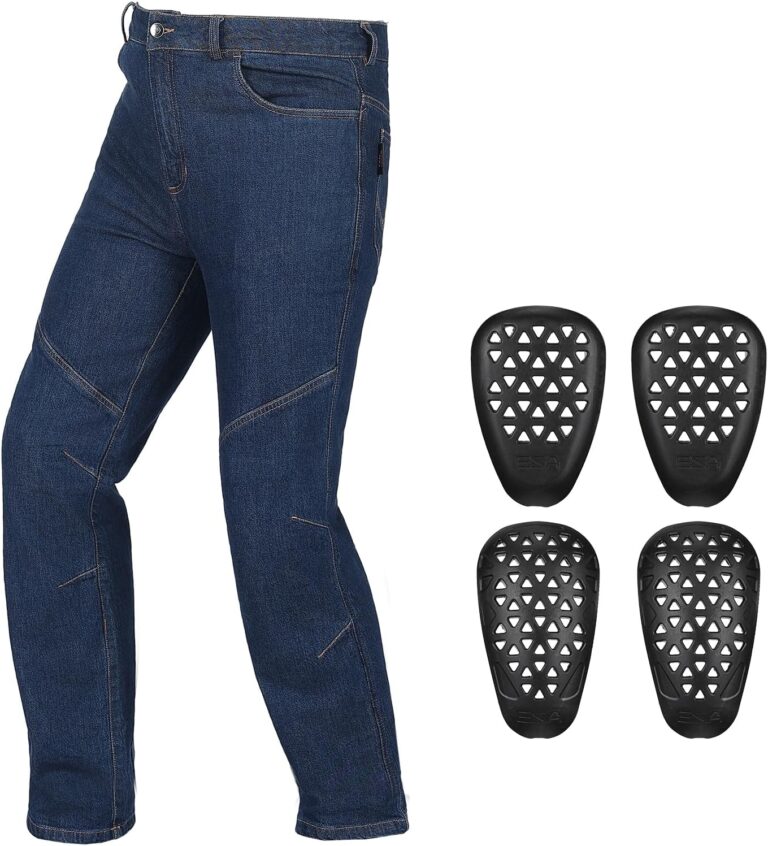
- Connection to pants: A full-zip to clip into pants or a short belt reduces ride-up and exposure in a slide. For touring, a 2-piece connection is common, while sport riders often prefer full jackets with a zipper to trousers.
When trying a jacket, bring the type of layers you normally ride in. If you plan to ride with thick winter layers, size accordingly — but remember that armor should still fit correctly with those layers in place.
Visibility and ergonomics for real-world riding
Being seen is a preventive safety measure. High-visibility colours and reflective panels improve conspicuity in low light and during complex traffic interactions.
- Contrast and colour: Bright colours (yellow, orange, lime) increase daytime conspicuity. If you prefer darker jackets, consider models with generous reflective piping or removable hi‑vis liners.
- Reflective strips and placement: Reflective material on the back, shoulders and forearms is effective because those areas move relative to your torso and catch a driver’s attention at night.
- Trade-offs: High-vis panels may not fit every stylistic preference and can show dirt more readily. Many jackets offer removable hi‑vis liners so you can switch appearance based on ride conditions.
Visibility helps prevent collisions—always favour a jacket that makes you easier to spot during dawn, dusk and night rides.
Care, inspection and when to replace components
Routine maintenance extends a jacket’s useful life and ensures protection stays effective.
- Cleaning: Follow manufacturer instructions. Textile jackets often tolerate gentle machine wash or hand wash; leather requires specific leather cleaner and conditioner. Avoid harsh detergents or heat drying that degrade membranes and seams.
- Waterproofing refresh: Spray-on DWR treatments or reproofing washes restore water repellency on textiles. Membrane jackets also rely on seam seals—inspect seams for wear.
- Armor inspection: After a crash or hard impact, remove and inspect armor for cracks, deformation or delamination. Replace any damaged armor; do not rely on visibly undamaged foam that may have lost protective properties.
- Leather care: Condition leather periodically to prevent drying and cracking. Keep leather away from prolonged sunlight and store on a broad hanger to preserve shape.
- Replace when compromised: Replace a jacket after a crash even if damage looks minor — abrasion areas that preserved the lining might no longer be structurally sound. If you can’t verify structural integrity, replace the garment or at minimum have it inspected by a qualified gear specialist.
Never assume protective materials last forever; age, UV exposure and repeated washing reduce performance over time.
Choosing by riding style: practical examples
Different riding styles put different demands on a jacket. Here are practical recommendations by use case.
- Commuter: Prioritise water resistance, visibility and comfort. A textile jacket with a removable waterproof liner and reflective accents is a good compromise. Look for pockets and enough ventilation for varying temperatures.
- Touring: Choose a jacket with good weather modularity—removable liners, multiple vents, and large storage pockets. Durable construction and comfort for long hours are essential; consider heavier textiles or leather for abrasion resistance.
- Sport riding / track: You want a close, race-oriented fit, leather or high-denier textile, robust CE armor and the ability to connect to race pants. Track use may be best served by a one‑piece suit or a two‑piece race jacket and pants combination.
- Adventure / dual-sport: Off-road abrasion risk and varied weather require rugged textiles with good ventilation, a long torso, and pockets for hydration/layers. Removable liners and robust seam reinforcements help in remote conditions.
- Urban / short rides: Lightweight, easily donned jackets with good shoulder/elbow protection and breathable materials are ideal. You may prefer casual-looking jackets that conceal armor for style while retaining protection.
For more on matching jacket features to your riding style, RiderInstinct’s guide “How to Choose the Right Jacket for Your Riding Style” is a useful next read.
Budget, longevity and making the final decision
A higher price can reflect better materials, larger or higher-rated armor, waterproof membranes and construction quality—but price isn’t a guarantee of protection. Use this decision approach:
- Decide the primary function (commute, tour, track) and climate.
- Prioritise fit and certified armor coverage for shoulders/elbows/back.
- Choose material and weather features that match the environment you ride in most often.
- Inspect construction quality and verify any certification or waterproof claims with the manufacturer.
If you have to compromise, choose a jacket that fits properly and has verified CE-rated armor. You can often add a separate back protector or a rain shell later; compensating for poor fit or missing armor is much harder.
For examples and side-by-side comparisons of jacket feature trade-offs, see RiderInstinct’s comparison articles and product reviews. If you want a lightweight, ventilated option, check the KEMIMOTO Summer Mesh Jacket review; for all-season textile options, RiderInstinct has reviews of 600D Oxford all‑season jackets. These reviews can help you understand how manufacturers implement features in real products.
KEMIMOTO Summer Mesh Jacket Review: Lightweight CE-Armored Option
KEMIMOTO Summer Mesh Jacket vs. 600D Oxford All‑Season Jacket