RiderInstinct Editorial Team
Start with your goal: why are you carrying luggage?
Before looking at types, brands or capacity numbers, be clear about what you need to carry and how you ride. Different goals demand different compromises:
- Daily commuting: Small tank bags, tail bags or backpack-friendly tail luggage, with quick access to wallet, phone and rain gear.
- Weekend trips: Larger tail bags or soft panniers and an expandable top bag for clothes and a toiletry kit.
- Long touring: Hard panniers or large, secure soft panniers plus a top case for tools and electronics. Emphasise waterproofing and security.
- Adventure/off-road: Lightweight saddlebags, duffels or soft panniers combined with a robust rack. Durability and retention systems that won’t snag are priorities.
Trade-offs are inevitable: hard cases add theft resistance and structure but increase weight and cost; soft luggage is lighter and flexible but needs good straps and may require liners for waterproofing. Decide which compromises you will accept for your rides before evaluating specific models.
Luggage types and when to use them
Understand the core options and their practical strengths and weaknesses.
- Tank bags: Great for maps, phones, cameras and items you need while stopped. Low capacity but excellent accessibility. Magnetic or harness mounts are common—verify tank finish and fitment.
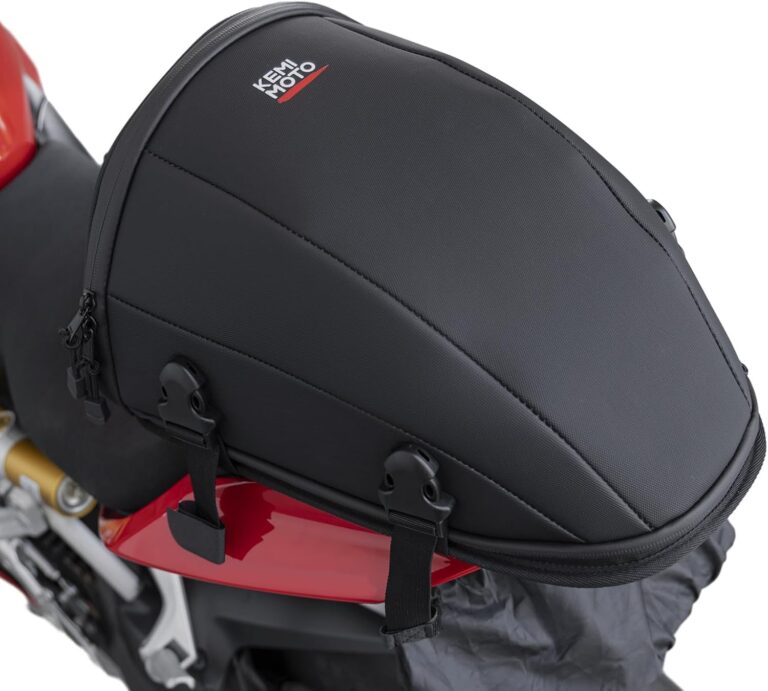
- Tail bags / rear duffels: Flexible capacity and often expandable. Good for weekend trips or commuting when rear racks or pillion seats are available for secure mounting.
- Top cases (hard boxes): Rigid, lockable and weather-resistant. Ideal for city riders and touring riders needing quick, secure storage. Require a specific rack/plate to mount safely.
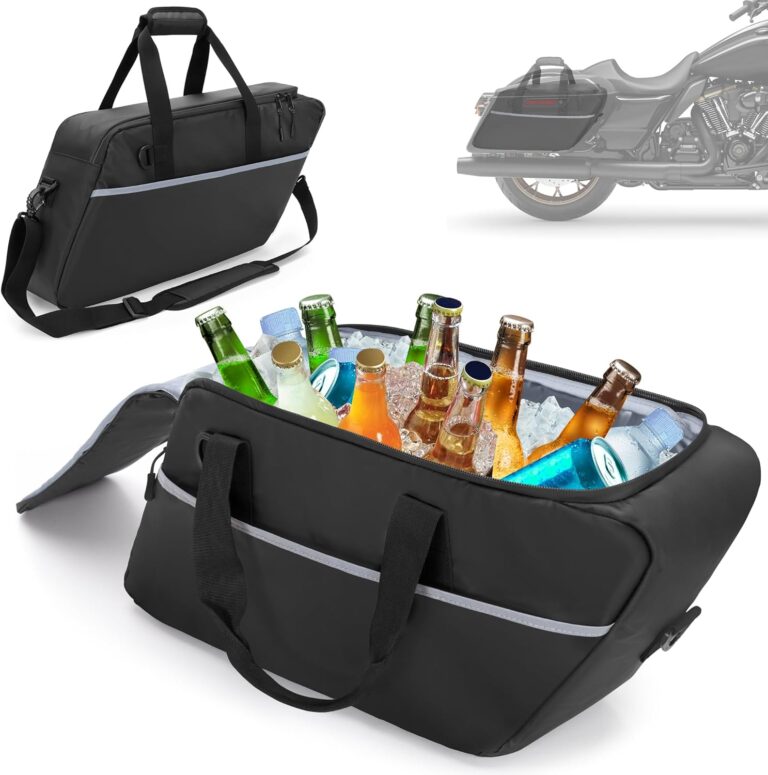
- Panniers / saddlebags: Come as soft or hard panniers. Hard panniers offer protection and security; soft panniers are lighter and less likely to cause hard snagging in a fall—preferred off-road.
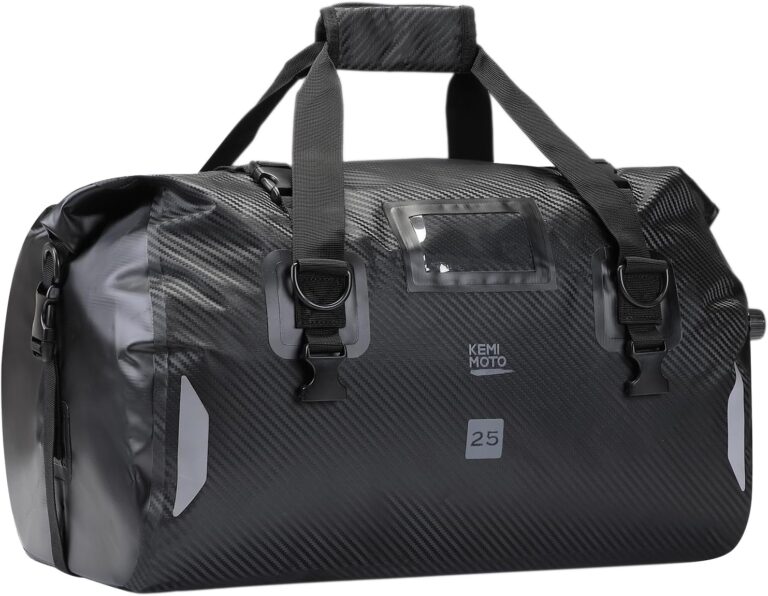
- Dry bags and liners: Roll-top dry bags, compression sacks and rigid liners protect contents from water. Use inside soft luggage or as standalone on a rack.
- Tank panniers, tail trunks and sissy bar bags: Niche items useful for specific mounting points or passenger backrests. Fitment varies widely.
When choosing, consider access, theft risk, weight and how often you’ll remove the luggage from the bike. If you carry electronics or documents, plan for waterproofing and anti-theft measures.
Capacity, weight and center of gravity: practical considerations
Manufacturers often advertise litre capacities; those help compare size but don’t tell the whole story. Focus on how weight affects handling:
- Keep heavy items low and centered: Place dense items (tools, batteries, cooking gear) as low and close to the bike’s centerline as possible. That reduces handling changes and preserves stability.
- Spread weight evenly: For panniers, balance left and right. Avoid one-sided heavy loads unless you compensate.
- Consider dynamic weight transfer: Rear-mounted mass influences the front end—too much aft weight can reduce steering feel.
- Check your bike’s limits: Consult the owner’s manual for maximum load (gross vehicle weight rating, GVWR) and follow the manufacturer’s guidance. If the manual isn’t clear, contact the manufacturer or dealer.
Rather than packing every possible item, prioritise essentials and use lighter alternatives where possible. For adventure bikes, a modestly smaller capacity can dramatically improve off-road handling.
Mounting methods, racks and compatibility
How luggage attaches to the motorcycle is as important as the luggage itself. Incorrect mounting causes movement, chafing and safety hazards.
- Dedicated racks and plates: The safest option for top cases and many panniers. They transfer load to the frame and keep the luggage stable. Always use hardware rated for motorcycles and follow torque specs from the rack maker.
- Straps and tie-downs: Use rated straps (cam or ratchet straps) and soft loops to protect paint. Avoid single-point tie-downs that allow the bag to rotate or slide.
- Quick-release systems: Useful for daily riders—just verify clicks and locks engage securely. Periodically inspect release mechanisms for wear and debris.
- Magnetic tank bags: Convenient but require clean, non-porous tank surfaces and strong magnets. Use extra straps on bumpy roads or when carrying heavier tank loads.
- Saddlebag supports: For soft panniers, supports prevent bags from touching the exhaust or rear wheel. They also keep airflow predictable and avoid rub points.
Always dry-fit luggage before a trip. Load it up, ride a short loop and re-check fasteners. If a mounting solution requires drilling, consider whether resale and frame integrity matters and consult a professional installer if unsure.
Waterproofing: realistic protection strategies
No bag is inherently immune to every riding condition. Waterproofing is a layered strategy:
- Material and construction: Roll-top dry bags, welded seams and coated fabrics offer the best exterior protection. Look for sealed seams rather than stitched seams without tape.
- Internal liners/organisers: Use individual dry bags or sack liners for electronics, clothing and documents. This is faster and more reliable than relying on outer zippers alone.
- Rain covers and zip flaps: Some soft luggage includes rain covers—use those as a secondary barrier but don’t rely on them alone for long exposure to downpours.
- Useful internal accessories: A bright-colour liner (like the HODRANT saddlebag liner) helps find items quickly and spot damage or leaks early. For more, compare dry-bag options such as the KEMIMOTO review and the HODRANT liner comparison here.
For product-specific waterproof claims, verify them against manufacturer documentation and RiderInstinct reviews where available, for example our KEMIMOTO tail bag review here and the HEETA 50L review here. If you carry irreplaceable electronics, use internal dry sacks regardless of outer claims.
Packing techniques that improve safety and convenience
Packing well reduces ride fatigue, improves handling and makes every stop faster.
- Create a packing hierarchy: Items you’ll need on the road (rain jacket, documents, phone) should sit on top or in an accessible tank bag. Tools and spare parts can go at the bottom.
- Use compression to control volume: Compression sacks reduce volume and stabilise contents, preventing shifting inside the bag.
- Stiffen soft luggage where needed: Use internal plates, small tool rolls or light foam to prevent soft bags bulging into airflow or close to hot exhaust components.
- Secure loose gaps: Use small straps or velcro organisers to keep loose clothes from becoming projectiles inside a bag when you open it.
- Test ride and tweak: After packing, ride a short distance and listen for chafing, rubbing or shifting. Re-check mounts and straps after a few miles.
Labeling small pouches and keeping a master packing list helps avoid duplication and will save time during multi-day trips.
Choosing luggage by riding style: practical examples
Here are illustrative setups keyed to common rider needs.
- Commuter: Small tank bag for phone and wallet, compact tail bag or tail rack bag for change of clothes and lunch. Quick-release for easy removal at work.
- Weekend city break: Expandable tail bag (or soft panniers) plus a compact top case for locks and electronics. Use a liner or dry bag for clothes.
- Long touring couple: Hard panniers for security and structure, top case for shared items and a tank bag for documents and finger-food. Mount racks to manufacturer’s spec and check GVWR with both rider and luggage loaded.
- Adventure/off-road: Slim, low-profile soft panniers or dry bags strapped to a sturdy rack; carry tools and spares in a compact waterproof roll. Avoid bulky top cases that can catch on terrain or shift weight high.
For more on selecting luggage by style, see our longer buying guide How to Choose the Right Motorcycle Luggage for Your Riding Style.
Security, theft deterrence and quick access
Security concerns range from opportunistic theft to accidental loss while riding.
- Use lockable hard cases where theft risk is high: Top boxes with locks add a meaningful deterrent in urban environments.
- Secondary security: Cable locks or small bike locks can secure removable bags to racks when stopped for short periods.
- Conceal valuables: Don’t advertise electronics in clear tank pockets. Use internal pockets, liners or keep valuables on your person when appropriate.
- Quick access vs security: Items you need frequently (wallet, phone, fuel card) should be in easy-to-reach compartments but not leaving them exposed to theft or weather.
Balance convenience with common-sense security measures, and record serial numbers or take photos of expensive luggage and contents for insurance purposes.
Maintenance, care and longevity
Regular inspection and basic care keep luggage functioning and safe.
- Inspect mounts and fasteners: Check straps, bolts and quick-release locks before every long trip and after off-road sections.
- Clean and dry: Dry wets bags thoroughly to prevent mould. Use mild soap and water for coated fabrics and follow any manufacturer cleaning guidance.
- Protect zippers and seams: Lubricate zippers with products made for fabric zips; reseal or tape seams if you notice deterioration.
- Repair early: Fix loose stitching and small tears early to prevent bigger failures. Many soft bags accept repair patches; keep a small repair kit on long trips.
- Storage: Store bags dry and uncompressed if possible—compressed storage for long periods can damage coatings and foam supports.
When in doubt about repair or structural issues on a rack-mounted system, consult a professional fitter to avoid risks to the bike or rider.
Final checklist before you ride and what to verify at purchase
Before you leave the driveway or buy a new luggage item, run through these steps:
- Verify compatibility with your motorcycle: rack dimensions, mounting plates and exhaust clearance.
- Check your motorcycle’s load limits in the owner’s manual (payload and GVWR) and calculate rider + passenger + luggage weight.
- Dry-fit luggage and perform a short test ride to check for movement, noise and heat exposure.
- Confirm waterproof claims with manufacturer documentation and plan internal protection (dry bags) if you carry sensitive items.
- Inspect fasteners and strap points for corrosion or wear and replace straps that show glazing or fraying.
- Carry spare straps and a basic tool roll to tighten mounts on the road if needed.
For product-specific reviews and comparisons that may help you decide on particular bags or liners, see the Kemimoto and HODRANT pages we’ve reviewed: KEMIMOTO 50L product page here, the KEMIMOTO dry bag review here, the HODRANT saddlebag liner here and the HODRANT liner review here. If you want a quick soft tail option, see the Marscamd tail bag product page here.